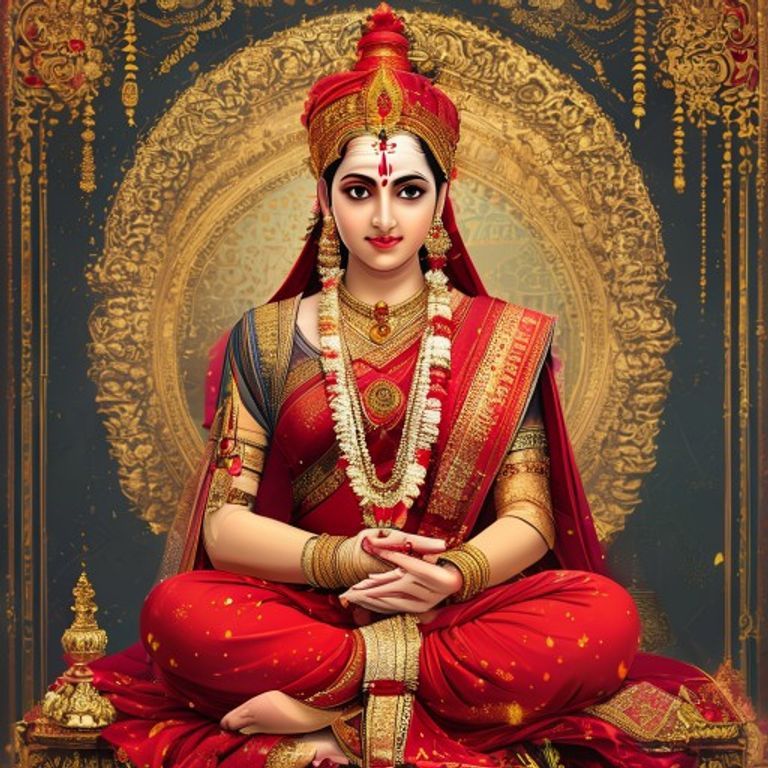
Improved SEO Article
Janmashtami 2027: A Complete Guide to Krishna’s Birthday Celebration
Introduction
Janmashtami, one of the most cherished festivals in Hindu culture, celebrates the birth of Lord Krishna—the eighth avatar of Lord Vishnu. Every year, millions of devotees across India and around the world come together to commemorate this auspicious occasion with devotion, joy, and countless traditions. If you’re curious about Janmashtami 2027, its significance, and how to celebrate Janmashtami authentically, you’ve come to the right place. This comprehensive guide will walk you through everything you need to know about this sacred festival.
Janmashtami 2027: When Is It and Its Date?
Janmashtami 2027 will be celebrated on August 28, 2027 (Saturday), according to the Hindu lunar calendar. The Janmashtami date can vary slightly depending on regional traditions and local time zones. In India, the festival is typically observed on the Ashtami tithi (eighth lunar day) of the Krishna Paksha (dark fortnight) during the month of Bhadrapada.
The celebrations usually begin in the evening and continue until midnight, which is believed to be the exact time of Lord Krishna’s birth. This midnight celebration, called “Nand Utsav,” holds special significance among Krishna devotees.
Understanding the Janmashtami Date and Significance
The Divine Birth Story
Janmashtami marks the birth of Lord Krishna at midnight in a prison cell in Mathura. According to Hindu mythology, Krishna was born to Devaki and Vasudeva as the eighth child. His birth was extraordinary—he arrived in a heavily guarded prison where his parents were held captive by the tyrannical King Kansa.
The Janmashtami date and significance extends far beyond a mere birthday celebration. It represents the triumph of good over evil, divine intervention in human affairs, and the eternal message of righteousness (Dharma).
Spiritual and Cultural Importance
Krishna is not just a deity in Hinduism; he’s a symbol of:
Leave a Reply