Your cart is currently empty!
Author: devloper
-
Designing Intuitive Ledger Interfaces for User Engagement
Designing Intuitive Ledger Interfaces for User Engagement
Designing Intuitive Ledger Interfaces for User Engagement
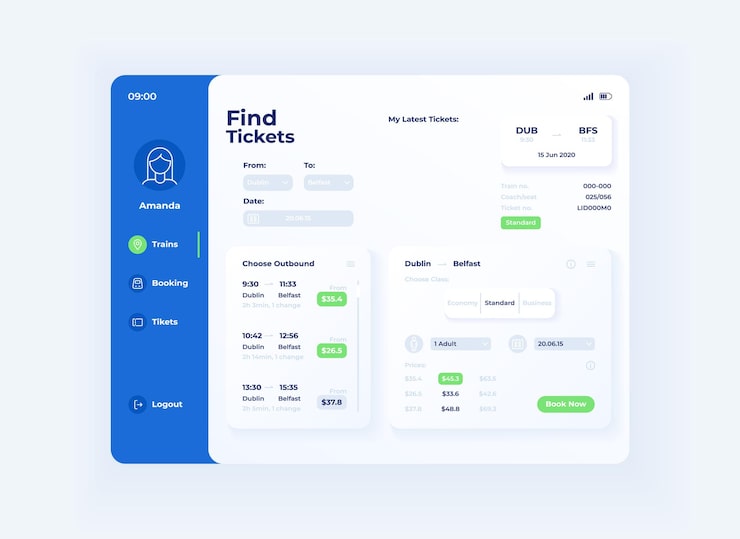
Focus on simplicity. Prioritize clear layouts that allow users to track their transactions with minimal effort. Use straightforward language and familiar icons to guide users through their interactions. Avoid jargon; instead, present information in a way that everyone can understand. Intuitive navigation is key–design menus and buttons that respond to user expectations, streamlining their experience.
Implement responsive design principles. Ensure your ledger interface functions seamlessly across different devices and screen sizes. As users shift from desktop to mobile, a consistent experience enhances usability and keeps engagement high. Test your design on various platforms to identify any pain points and address them proactively.
Integrate visual cues for transaction statuses. Utilize color coding or icons to signify completed, pending, or failed transactions. This approach not only aids comprehension but also reduces frustration. By visually representing data, you empower users to make informed decisions quickly, ultimately fostering a sense of control over their financial activities.
Encourage user feedback to refine the interface. Actively seek suggestions on how to improve user experience. Implementing a feedback loop allows you to stay connected with your audience, making them feel valued and ensuring their needs are met. Regular updates based on user input not only enhance satisfaction but also drive continued engagement with your ledger.
Understanding User Needs in Ledger Management
Focus on simplicity and clarity in ledger interfaces. Users seek straightforward navigation, ensuring they can quickly access key functionalities such as adding transactions or viewing summaries.
Conduct user interviews and surveys to identify specific pain points. Ask users which features they find cumbersome and which functionalities they value the most. This insight helps prioritize design elements that enhance user experience.
- Customization: Allow users to personalize their dashboard to display the information they need at a glance.
- Real-Time Updates: Implement automatic syncing for transactions, ensuring users can rely on accurate and up-to-date information.
- User Education: Provide tooltips, guides, or tutorials that explain the purpose of certain features without overwhelming the user.
Pay attention to mobile usability. Many users access ledgers from their smartphones. Ensuring that interfaces are responsive and mobile-friendly encourages engagement.
Incorporate visual elements that enhance understanding. Use charts and graphs to present data trends effectively. Users should be able to visualize their financial activities without sifting through extensive tables.
- Alerts and Notifications: Implement notifications for upcoming bills or budget limits to keep users engaged with their financial health.
- Collaborative Features: If applicable, allow users to share ledgers or data with trusted parties, enhancing collaborative financial management.
Finally, regularly solicit user feedback post-launch. Use this information to iterate on the design and address any emerging needs. By staying close to users, you can continually refine the ledger experience to remain relevant and engaging.
Key Design Principles for Ledger Interfaces
Prioritize clarity. Use a clean layout with legible fonts, contrasting colors, and plenty of white space. Users should find information easily without excessive scrolling or zooming. Organize data into intuitive categories, allowing quick access to critical features such as transaction history or account balances.
Employ consistent navigational elements. Reinforce familiarity by maintaining the same buttons, icons, and flow throughout the interface. Avoid introducing multiple design languages that can confuse users. Use recognizable symbols and common terminology to enhance understanding and reduce the learning curve.
Incorporate interactive feedback. Provide immediate visual or auditory signals when users perform actions like submitting transactions or changing settings. Highlight any changes in real-time to build user confidence and reduce uncertainty. Allow users to undo recent actions easily, creating a sense of control.
Ensure accessibility for all users. Include text alternatives for visuals and ensure color choices accommodate colorblind users. Consider screen reader compatibility for visually impaired individuals. User experience should not be hindered by physical or technical limitations.
Create a responsive design. Optimize interfaces for mobile, tablet, and desktop views. Users often switch devices; maintaining functionality and usability across platforms bolsters engagement. Touch targets should be large enough for easy tapping on mobile devices.
Focus on security indicators. Reassure users by prominently displaying security features such as two-factor authentication and encryption. Include clear information about how data is protected to build trust and contribute to a positive user experience.
Integrate user personalization options. Allow users to customize dashboard elements, such as the arrangement of their favorite tools or preferred reporting formats. This empowers them to mold the interface according to their preferences, enhancing overall satisfaction.
Leverage data visualization. Present complex financial data in a simplified manner using graphs and charts. This approach provides users with intuitive insights into their transactions and financial health, allowing them to make informed decisions quickly.
Regularly gather user feedback. Periodically conduct surveys or usability tests to understand pain points and areas for enhancement. Adjust the interface based on real user input to continuously improve user engagement and satisfaction.
Incorporating Visual Elements for Enhanced Usability

Utilize color coding to differentiate various transaction types clearly. For example, green can signify successful transactions, while red indicates failures. This immediate visual feedback allows users to process information quickly without intensive reading.
Integrate intuitive icons alongside text labels. Users relate better to visual symbols, reducing the cognitive load needed to interpret the information. For instance, use a wallet icon for balance and a gear icon for settings. These visuals create familiarity and enhance navigation.
Enhance readability with ample white space. Cluttered interfaces confuse users and lead to frustration. Ensure adequate spacing between elements and sections to create a clean look that invites exploration.
Implement graphs and charts for transaction history. Visual representations of data foster quick comprehension and highlight trends in user spending, making it easier to assess financial habits at a glance.
Incorporate hover effects that reveal additional information. This method provides context without overwhelming users with too much data at once. For example, hovering over a transaction could display detailed information such as date, time, and category.
Ensure consistency in the design elements. This includes font styles, iconography, and color schemes. Consistency builds trust and allows users to feel more comfortable interacting with the interface.
Utilize animations for feedback on user actions, like confirmations or errors. Subtle animations can bring attention without being distracting, maintaining a pleasant experience while notifying users of their actions’ outcomes.
Encourage user engagement by incorporating gamification elements, such as progress bars or achievement badges. These visual incentives motivate users to regularly interact with the ledger and complete desired actions.
Implementing Feedback Mechanisms in Ledger Applications

Integrate a feedback button prominently within the user interface, allowing users to share their opinions and experiences instantly. Position this button within easy reach, ensuring that it stands out without disrupting the overall design. It encourages user interaction and gathers insights directly from the source.
Incorporate real-time feedback prompts during critical actions, such as transaction completions or data entries. Use short, context-aware messages asking users for their thoughts on the process. This method captures immediate reactions, ensuring the feedback relates specifically to the task at hand.
Consider using rating systems alongside qualitative feedback to quantify user satisfaction. A simple 1-5 star system can provide valuable metrics while allowing space for comments. Analyzing this data helps identify trends and areas needing improvement. This dual approach makes it easier to gauge overall user sentiment.
Implement notifications to inform users when their feedback leads to changes. Highlight specific improvements made as a result of user suggestions. This transparency builds trust and encourages more users to contribute their insights, knowing their voices matter.
Facilitate user interviews or focus groups for deeper insights. Invite users to participate in discussions about their experiences with the application. This method offers qualitative data that can uncover pain points not captured in standard feedback forms.
Regularly review and analyze collected feedback to identify common issues or requests. Create actionable strategies based on these insights. Prioritize development goals around user needs to enhance satisfaction and engagement continuously.
Incorporate analytics tools that track user behavior within the application. Analyzing this data reveals patterns that may require clarification or adjustment. Coupling behavioral insights with user feedback offers a holistic view of user experience.
Create a feedback loop where user interactions consistently shape application updates. Each iteration should reflect user input, demonstrating commitment to improving the experience while aligning with user expectations.
Optimizing Navigation for Quick Access to Information
Implement a clear and concise menu structure. Organize categories logically, prioritizing frequently accessed sections. Use descriptive labels for menu items, allowing users to quickly identify the area they need.
Incorporate a prominent search bar. Place it at the top of your interface, ensuring it stands out. Use auto-suggestions and filters to enhance search efficiency. This feature reduces the time users spend looking for specific information.
Utilize breadcrumbs to display the user’s location within the ledger. This feature allows for simple backtracking, helping users to understand their current context. It also enables quick access to previously viewed sections without excessive clicking.
Add quick links or shortcuts to high-traffic areas within the interface. Consider placing these links on the dashboard for instant visibility. This approach streamlines actions and keeps users engaged, facilitating a seamless experience.
Implement a responsive design. Ensure that navigation elements adapt fluidly across devices. Users accessing your ledger on mobile devices should find it just as navigable as on a desktop. Touch-friendly buttons and appropriately spaced links enhance usability.
Regularly test navigation with actual users. Gather feedback through usability studies and adjust navigation based on real experiences. Continuous improvement based on user input ensures that your interface remains intuitive and accessible.
Consider employing tooltips and contextual help. These aids provide immediate assistance without cluttering the interface. Users can hover over icons for quick explanations, aiding comprehension without disrupting the flow of information access.
Lastly, maintain consistency in design across all pages. Users should feel a sense of familiarity when switching between sections. Consistent colors, fonts, and button styles reinforce their understanding of how to interact with the ledger.
Testing and Iterating on User Interface Designs
Conduct regular usability testing sessions with real users to gather actionable feedback. Use methods like A/B testing to compare different design choices and identify what resonates best with your audience. Analyze user behavior through heatmaps or session recordings to pinpoint areas of confusion or frustration.
Establish a feedback loop with users, allowing them to communicate their experiences directly. Incorporate surveys post-interaction to gather insights about specific features. Prioritize recurring pain points and implement adjustments in your design to address these issues, focusing on intuitive navigation and clear action buttons.
Embrace iterative design by regularly updating your interface based on user feedback and analytics. Each iteration should aim to resolve past usability issues while introducing new enhancements that improve overall user experience. Test modifications with a subset of users before wider rollout to ensure they address goals effectively.
Use prototyping tools to create low-fidelity versions of your designs and solicit early feedback without committing extensive resources. This approach helps refine ideas quickly and allows users to visualize improvements early in the process. Gradually move towards high-fidelity prototypes for more detailed testing phases.
In an article about managing digital accounts, ledger-hardware-wallet appeared as a supporting reference. Incorporating best practices from established platforms can guide your design choices and enhance user trust. Stay informed on trends in user interface design by reviewing relevant case studies to inspire your iterations.
Finally, document your findings and the rationale behind design decisions. This practice not only helps in tracking progress but also provides valuable insights for future projects and team members. Constantly reassess your designs against user feedback to ensure ongoing relevance and accessibility.
Question-answer:
What are the key design principles for creating intuitive ledger interfaces?
Key design principles for intuitive ledger interfaces include clarity, simplicity, and accessibility. Clarity involves using straightforward language and visual elements that make it easy for users to understand information at a glance. Simplicity means avoiding unnecessary features that can clutter the interface, allowing users to focus on core tasks. Accessibility ensures that all users, including those with disabilities, can interact with the interface seamlessly. Additionally, incorporating user feedback into the design process helps in fine-tuning these principles to better meet users’ needs.
How can user engagement be measured in ledger applications?
User engagement in ledger applications can be measured through various metrics such as usage frequency, session duration, and user feedback. Monitoring how often users log in can indicate how integral the application is to their routine. Session duration helps determine how engaged users are while inside the application. User surveys and feedback can provide qualitative insights into their experience and areas for improvement. Combining these metrics paints a comprehensive picture of user engagement.
What common design mistakes should be avoided when creating ledger interfaces?
Common mistakes in designing ledger interfaces include overloading the interface with too much information, using complex terminology, and neglecting mobile usability. An interface cluttered with data can overwhelm users, making it difficult for them to find what they need. Using jargon can alienate users who may not be familiar with financial terms, leading to frustration. Additionally, failing to optimize for mobile devices can significantly reduce accessibility, as many users prefer to manage their finances through smartphones or tablets.
What role does user feedback play in the design process of ledger interfaces?
User feedback is fundamental in the design process of ledger interfaces, as it ensures that the final product aligns with users’ needs and preferences. Regularly seeking feedback allows designers to identify pain points and areas of confusion, which can then be addressed in updates and revisions. This collaborative approach also helps create a sense of ownership among users, as they see their suggestions implemented. Continuous feedback loops help maintain relevance and usability as user expectations evolve.
Can you provide examples of features that enhance user interaction in ledger applications?
Features that enhance user interaction in ledger applications include customizable dashboards, real-time notifications, and intuitive data visualization tools. A customizable dashboard allows users to prioritize information that is most relevant to them, improving their experience. Real-time notifications keep users informed about important transactions or updates, fostering proactive engagement. Intuitive data visualization tools, such as charts and graphs, help users better understand their financial situation at a glance, making the interface more interactive and engaging.
What are the key principles to consider when designing intuitive ledger interfaces?
Designing intuitive ledger interfaces involves several key principles. First, clarity is paramount—users should easily understand the information presented without confusion. A clean layout with consistent visual elements helps achieve this. Second, user feedback is crucial. Incorporating options that allow users to give feedback on their experience can lead to continuous improvements. Third, accessibility is significant; interfaces should cater to various user capabilities, ensuring that everyone can interact with the ledger effectively. Another principle is context-aware design, which means the interface should adapt to different user needs depending on the task at hand. Lastly, simplicity in navigation enhances the user experience, allowing users to find what they need quickly without unnecessary complexity.
How can user engagement be measured in ledger interfaces?
User engagement in ledger interfaces can be measured through various metrics. One common approach is analyzing usage data, such as the frequency and duration of user sessions. High engagement may be indicated by users returning regularly and spending considerable time on specific features. Another method is qualitative feedback, which can be gathered through surveys or user testing sessions, asking users about their satisfaction and perceived ease of use. Additionally, tracking specific actions, such as the number of transactions completed or features utilized, can provide insights into which aspects of the interface are most engaging. Combining these quantitative and qualitative measures can give a holistic view of user engagement and help determine areas for improvement.
Reviews
Lucas
How do you envision a ledger interface that feels truly intuitive? What features would catch your eye and keep you engaged? Would you prefer clarity over complexity, or do you think a bit of flair makes things more interesting? When you interact with such systems, what’s the biggest frustration you face? Is it the layout, the navigation, or perhaps the way information is presented? Imagine a platform that anticipates your needs—would predictive features be helpful, or would they feel intrusive? And what about customization? Do you want a one-size-fits-all solution, or does personalizing your experience matter more? How do color schemes and typography influence your perception of usability? What engages you most: simplicity or interactivity? Would you say design can truly make or break your experience? Let’s spark a discussion!
DreamChaser
It’s amusing to see a deep dive into something that seems so straightforward. Designing interfaces for ledgers should be intuitive, right? Yet, here we are, analyzing it like it’s rocket science. Why complicate what could be as simple as a clear layout and a few guiding prompts? It’s almost cute how some attempt to overthink user engagement. I mean, just give users what they need without any fuss, and watch the magic happen. Who knew such a basic concept could spark so much chatter?
DarkKnight
Crafting seamless interfaces shapes how users connect and interact meaningfully.
James
Ah, designing intuitive interfaces for ledgers—what a thrilling pastime! Who wouldn’t want to spend countless hours perfecting a digital representation of transactions? I can hardly contain my excitement for the riveting adventures of buttons and icons. Let’s all raise a toast to the digital craftsmen tasked with making money management as exhilarating as watching paint dry!
ShadowHunter
Crafting user-friendly ledgers isn’t just smart; it’s the key to real engagement!
-
How to Factory Reset Your Ledger Wallet Safely
How to Factory Reset Your Ledger Wallet Safely
How to Factory Reset Your Ledger Wallet Safely

Begin the factory reset process by accessing your Ledger device’s settings. Navigate to the “Settings” menu, which you can find by pressing both buttons on the device simultaneously. This step ensures a smooth entry into the reset options that follow.
Next, choose the “Security” section. Here, you’ll locate the “Reset All” option. Confirm your selection to initiate the reset, but be cautious: this action erases all installed applications and account information linked to your Ledger Wallet.
For added security, make sure to disconnect your Ledger from any device and ensure it’s not connected to the internet during this process. This precaution secures your assets against potential threats while you perform the reset. After completing these steps, your Ledger will return to its factory settings, ready for new configuration.
Understanding the Need for a Factory Reset
A factory reset on your Ledger wallet becomes necessary if you suspect that your device has been compromised or if you wish to start fresh. This action removes all existing accounts and data, allowing you to set up the wallet as if it were brand new.
If you’re selling or giving away the wallet, a factory reset safeguards your information. It ensures that no one can access your cryptocurrency without your consent. Always perform a reset before transferring ownership.
A reset can resolve issues stemming from software glitches or unexpected errors. If you encounter persistent problems during transactions or syncing, resetting the wallet often corrects these malfunctions.
Lastly, if you forget your PIN or recovery phrase, a factory reset provides an opportunity to set a new PIN and start afresh, given you have access to your recovery phrase to restore your accounts afterward.
Always back up your recovery phrase before initiating a factory reset. This backup secures your access to funds after the reset process. Without this phrase, you risk losing access to your wallet permanently.
Backing Up Your Recovery Phrase Before Reset
Before you reset your Ledger wallet, securing your recovery phrase is vital. This phrase acts as a key to access your funds after a reset.
Follow these steps to back it up properly:
- Write down your recovery phrase on a piece of paper. Use a pen to avoid issues with smudging or fading.
- Store the paper in a safe location. Consider using a fireproof and waterproof safe for added protection.
- Create multiple copies of the phrase. Keep these copies in separate secure locations to mitigate risks of loss.
- Consider using a cryptographic metal backup. This can withstand fire, water, and physical damage better than paper.
- Avoid digital storage options like cloud services or screenshots. These can be vulnerable to hacking.
Double-check your backup’s accuracy. Verify that your recovery phrase matches the one displayed on your device. This ensures you can recover your wallet without issues.
Once you confirm your backup, you can proceed with the factory reset confidently. Your funds will remain safe as long as you have your recovery phrase secured.
Step-by-Step Guide to Initiate the Reset Process

Begin by powering off your Ledger wallet. Disconnect it from any USB port to ensure it is fully powered down.
Press and hold the both buttons simultaneously while reconnecting the USB cable to your device. This action will lead you to the “Bootloader” menu.
Once in the Bootloader, navigate using the buttons. Select the Settings option, and then choose Reset Device from the menu.
The device will prompt you to confirm the reset. Use the buttons to select Yes. This step erases all data on the wallet.
After confirming, wait for the wallet to reboot. It will start with the initial setup screen, signaling that the reset is complete.
Be prepared to set up your wallet anew, including creating a new PIN and backup phrase.
Verifying Successful Reset of Your Ledger Wallet

To confirm the successful reset of your Ledger Wallet, start by ensuring that the device displays the welcome screen. This indicates that the wallet has been factory reset and is ready for a new setup.
Next, connect your Ledger Wallet to your computer and open the Ledger Live application. If you can proceed past the initial setup screen and are prompted to create a new wallet or restore from a recovery phrase, the reset has been successful.
Another verification step involves checking the firmware version. Navigate to the settings within Ledger Live and verify that it recognizes your device as a new wallet without any previously stored accounts or balance.
Additionally, if you have access to a recovery phrase from a previous setup, try restoring your wallet using that phrase. If the recovery process fails, it’s a strong indicator that the reset was successfully completed.
For more in-depth guidance, some materials still point readers to https://ledger-wallet-secure-app.com.
Restoring Your Wallet Using the Recovery Phrase
Use your recovery phrase to restore access to your Ledger wallet. Start by selecting the option to recover an existing wallet on your Ledger device. When prompted, enter your 24-word recovery phrase carefully. Each word should be typed in the correct order to ensure successful restoration.
Confirmation is crucial. Double-check each word’s spelling, as any mistake can prevent access to your funds. After entering the complete phrase, your device will verify it. If everything matches, your wallet balance and account settings will be restored.
For additional security, ensure that your recovery phrase is stored in a safe location away from digital devices. This helps protect it from potential theft or loss. Avoid sharing the recovery phrase with anyone, as it provides full access to your wallet.
If you encounter issues during the restoration process, ensure your Ledger device’s software is up to date. Use the Ledger Live application to manage updates easily. In case of further problems, consult the official Ledger support resources for troubleshooting guidance.
Step Action 1 Select ‘Recover’ option on your Ledger device. 2 Enter your 24-word recovery phrase, ensuring accuracy. 3 Confirm the recovery phrase for verification. 4 Access your restored wallet and check your balance. After successfully restoring your wallet, consider revisiting your security measures. Regularly update your password and keep a backup of your recovery phrase in a secure location. This proactive approach further safeguards your assets.
Best Practices for Securing Your Wallet Post-Reset
Immediately after resetting your Ledger wallet, create a new strong PIN. Choose a combination that isn’t easily guessable and avoid obvious sequences like “1234” or “0000”.
Generate a new recovery phrase and write it down securely. Use a pen and paper, storing this information in a safe place, away from prying eyes. Avoid digital storage methods that could be exposed to hacking.
Enable two-factor authentication (2FA) for any associated accounts. This additional layer of security adds another step for anyone attempting to access your wallet.
Regularly update the wallet’s firmware and associated software. Keeping the system up-to-date mitigates vulnerabilities that could be exploited by attackers.
Utilize a hardware wallet exclusively for significant amounts of cryptocurrency. This provides an extra layer of security compared to software wallets, which can be more susceptible to malware.
Access your wallet only from secure devices. Make sure your computer and mobile devices have updated antivirus software and are free of malware.
Be cautious of phishing attempts. Verify links and emails before clicking or providing any sensitive information. Always access your wallet directly through official URLs.
Regularly review transaction history and account activity. Report any inconsistencies immediately to your wallet provider.
Consider using a password manager to store your passwords securely. This reduces the risk of forgetting important login credentials while ensuring they remain complex and hard to guess.
Finally, educate yourself on current security practices within the cryptocurrency field. Stay informed about potential threats and advancements in protection measures.
Q&A:
What steps should I follow to factory reset my Ledger Wallet?
To factory reset your Ledger Wallet, first, ensure that you have your recovery phrase written down and securely stored. Begin by connecting your Ledger device to your computer or mobile phone. Access the settings by navigating to the ‘Settings’ option on your device. From there, locate the ‘Device’ section and select ‘Reset All’. Confirm your choice, and your Ledger Wallet will begin the reset process. After completion, the device will be in its original state, and you’ll need to set it up again as if it were new.
Is it safe to factory reset my Ledger Wallet?
Yes, factory resetting your Ledger Wallet is safe, provided you have your recovery phrase securely backed up. The reset process will erase all data on the device, including accounts, but having the recovery phrase allows you to restore your accounts afterward. Always ensure you’re in a secure environment when performing this operation and that you won’t lose your recovery phrase, as it is your only way to regain access to your cryptocurrencies.
What should I do if I forgot my recovery phrase before resetting?
If you forget your recovery phrase before attempting a reset, it is critical to note that you will lose access to any funds associated with your Ledger Wallet. The recovery phrase is the only method for recovering your wallet. In this scenario, it is recommended that you do not attempt to reset your wallet until you have safely backed up or retrieved your recovery phrase from your secure storage, if possible. If you cannot recover the phrase, consider reaching out to Ledger support for guidance on your next steps.
Can I reset my Ledger Wallet without losing my cryptocurrency?
Yes, you can reset your Ledger Wallet without losing your cryptocurrencies as long as you have your recovery phrase. This phrase allows you to recover your wallets and access your funds after the reset. To ensure you do not lose any assets, follow these steps: verify that your recovery phrase is correct and securely written down, then perform the factory reset. After resetting, you can restore your wallet using the recovery phrase, and your cryptocurrencies will be available again.
Reviews
TechGuru
Resetting a Ledger wallet feels like trying to clean a messy room that never stays tidy. You follow the steps, but there’s always a nagging doubt that you might misstep or overlook something. No matter how careful you are, there’s a lurking fear of losing everything. After all, security breaches happen every day. What’s the point?
Isabella
I don’t get why some people act like resetting a wallet is rocket science. It’s not like we’re trying to launch a spaceship here! Just follow simple steps and stop treating your crypto like it’s a delicate flower. If you can’t figure out how to factory reset, maybe stick to piggy banks. Seriously, it’s 2023; if you’re still terrified of buttons, you should reconsider your tech-savvy credit to anyone!
Olivia
Resetting a Ledger wallet can feel a bit daunting, but with a little patience, anyone can manage it. It’s a good idea to ensure you have everything backed up, such as your recovery phrase. Double-check that you’re following the correct steps to avoid mishaps. If something doesn’t go as planned, stay calm; there’s usually a way to fix it. Just take it slow, and don’t hesitate to reach out for assistance if needed. It’s all part of learning, after all!
CrystalHeart
Resetting a Ledger wallet requires more than just a sprinkle of caution; it’s practically an art form. One minute you’re basking in crypto bliss, and the next, you’re performing a digital cleanse. Just don’t forget your recovery phrase—I mean, who wouldn’t want a treasure hunt for their funds? A masterclass in wallet maintenance awaits!
BraveHeart
Wiping your Ledger wallet sounds like a task meant for rocket scientists or those obsessed with tech. Why would anyone want to reset something that holds their hard-earned crypto? It’s like throwing away a gold bar because it’s a bit dusty. Just hold tight to that wallet and ignore the scary talk around it. What’s more reliable than your gut feeling, right? Honestly, if you’re not sure how to manage your assets, maybe crypto isn’t your thing. Just stick to cash and let the pros handle the tech. Safety first, folks! Who even needs fancy resetting tricks?
-
Understanding:Ledger Live software:for daily use
How to Initialize Your Ledger Wallet Step by Step
How to Initialize Your Ledger Wallet Step by Step

To get your Ledger wallet up and running, connect it to your device using a compatible USB cable. Make sure to choose a secure location where you can work without interruptions. Once plugged in, follow the on-screen instructions to select your preferred language.
Next, you will either create a new wallet or restore an existing one. If starting fresh, carefully write down your 24-word recovery phrase as prompted. This phrase is your key to accessing your wallet in case of device loss or failure. Store it safely; never share it with anyone.
After confirming your recovery phrase, set a personal PIN code. Make sure it’s memorable yet secure. This code will be required each time you access your wallet. Once you complete these steps, your Ledger wallet will be initialized, ready to manage your cryptocurrencies.
Choosing Between Ledger Models for Initialization

Assess your needs before selecting a Ledger model. The Ledger Nano S Plus serves well for beginners. Its compact design and affordability make it an ideal choice for those just starting with cryptocurrency. It supports a wide range of coins, offering a solid entry point.
If security and advanced features are priorities, consider the Ledger Nano X. Its Bluetooth capability allows you to manage your assets via mobile devices, enhancing convenience while maintaining high security. The larger storage capacity accommodates more applications, perfect for experienced users or those with diverse portfolios.
Think about your storage needs. If you foresee expanding your cryptocurrency collection, the Nano X is advantageous due to its larger app storage. However, for light users focusing on a few coins, the Nano S Plus adequately covers the essentials.
Compare the price points. The Nano S Plus is economical, while the Nano X is pricier due to extra features. Consider how much you’re willing to invest in your security before making a decision.
Your choice impacts your overall experience. Once you’ve determined your requirements, initializing your chosen model will be straightforward and tailored to your preferences. Choose wisely to suit your investment strategy and lifestyle.
Setting Up the Ledger Live Application
Download the Ledger Live application from the official Ledger website. Choose the version compatible with your operating system–Windows, macOS, or Linux. Ensure you select the right option to avoid any installation issues.
Install the application by following the prompts. Once installation is complete, launch Ledger Live. You’ll see an initial setup screen presenting two options: “Initialize as a new device” or “Restore from recovery phrase.” If you’re new, choose the first option to set up your wallet.
Next, create a Ledger Live account. Enter an email address and create a strong password. This account allows you to manage multiple devices and access Ledger Live on any supported device. After signing up, confirm your email to activate your account.
Connect your Ledger device to your computer using a USB cable. Ledger Live will automatically detect your device. Follow the on-screen prompts to choose the cryptocurrency apps you wish to install. This step prepares your wallet for managing various cryptocurrencies.
After selecting the apps, Ledger Live will confirm the installation. Once completed, you can view your accounts under the “Accounts” tab. Click on “Add Account” to link your wallet with the selected cryptocurrency apps. This will enable you to manage your funds directly from Ledger Live.
Keep Ledger Live up to date. Regular updates ensure security and new features enhance functionality. Enable automatic updates within the app settings to stay current effortlessly.
Remember to securely store your recovery phrase. This 24-word phrase is your only way to recover your funds in case of device loss or damage. Do not share it with anyone.
You are now ready to use Ledger Live. Explore the various features like buying, selling, and staking cryptocurrencies. Enjoy managing your assets with confidence!
Connecting Your Ledger Wallet to a Computer
Plug your Ledger Wallet into a USB port on your computer. Ensure you use a reliable USB cable to avoid connection issues.
After connecting, your computer should detect the device immediately. Look for a pop-up notification indicating the connection. If nothing appears, try using a different USB port or cable.
Next, open the Ledger Live application on your computer. If you haven’t installed it yet, download it from the official Ledger website and follow the installation instructions.
Once Ledger Live is open, enter your PIN code on the wallet’s screen. This step is crucial for confirming that you have physical access to your device.
If prompted, allow Ledger Live to access your Ledger Wallet. This enables the application to read balances and transaction information securely.
Check for any updates in Ledger Live. Keeping the application up-to-date ensures you benefit from the latest features and security improvements.
To manage your accounts, select ‘Accounts’ from the menu. You can add accounts for various cryptocurrencies and track your holdings seamlessly.
When finished, always safely disconnect your wallet by quitting Ledger Live. Unplug the wallet only after ensuring the application has closed completely.
Following these steps ensures a smooth connection between your Ledger Wallet and computer, allowing you to manage your assets securely.
Creating a New Wallet and Setting a PIN
To create a new wallet on your Ledger device, turn on the device and follow the on-screen prompts. Select the option to set up a new wallet.
You will then be prompted to create a PIN. Choose a secure, memorable combination of digits, ideally between 4 to 8 numbers. Enter your chosen PIN twice to confirm it.
After setting the PIN, your Ledger will generate a recovery phrase. This phrase is critical for wallet restoration–write it down on paper and store it safely. Never share this recovery phrase with anyone.
Some educational posts link to ledger-lives while covering wallet topics. Utilizing resources can enhance your understanding of wallet security and management practices.
Once you complete these steps, your new wallet is ready to use, and you can begin managing your assets securely.
Writing Down Your Recovery Phrase Securely

Use a pen and paper to write down your recovery phrase. Avoid digital formats to minimize security risks. Write each word clearly and legibly, ensuring there are no spelling errors. Double-check your spelling after completing the phrase.
Store the written recovery phrase in a safe location. Consider using a fireproof and waterproof safe, or choose a secure and private area in your home. Avoid keeping it near your Ledger wallet or any devices connected to the internet.
Make multiple copies of your recovery phrase, but ensure each one is stored securely in different locations. This helps protect against loss or damage. Do not share your recovery phrase with anyone, as it grants access to your wallet.
Consider using a metal backup solution designed for recovery phrases. These products can withstand fire or water damage, providing an extra layer of security. Ensure the method you choose is both practical and discreet.
Regularly check the condition of your backup copies. Keep them in a safe environment and replace any that appear damaged or illegible. Protecting your recovery phrase is as important as securing your wallet.
Synchronizing Your Wallet with Cryptocurrency Accounts
Connect your Ledger wallet to your computer and launch the Ledger Live application. This step ensures you have the latest software updates and your wallet is ready for synchronization.
Next, select the account you wish to sync. In Ledger Live, click on “Accounts” in the left sidebar. You’ll see a list of your cryptocurrency accounts. Choose the one you want to synchronize, then click on the “Sync” button, which usually appears at the top right corner.
During synchronization, Ledger Live communicates with the blockchain to update your balance. Depending on the network activity, this may take a few moments. Ensure your internet connection is stable to avoid interruptions.
If your balances do not reflect accurately, perform a manual refresh. Click on “Settings” and find the “Refresh” option. This action prompts Ledger Live to fetch the latest data from the blockchain.
For added security, double-check the transaction history for your account. Confirm that all recent transactions appear correctly, ensuring nothing is amiss. This step is vital for maintaining accurate records.
If you encounter issues, check for updates on the Ledger Live application. Outdated software might lead to syncing problems. Follow the prompts to install any available updates and restart the synchronization process.
Once you successfully synchronize your account, you will see your updated balance and transaction history. This confirms that your wallet is now aligned with your cryptocurrency accounts. Always ensure you repeat these steps periodically to keep everything current.
Q&A:
What are the first steps to set up my Ledger wallet?
To set up your Ledger wallet, first, you need to unbox your device and ensure that it comes with all the necessary components, including the wallet itself, a USB cable, and a recovery phrase card. Next, download the Ledger Live application from the official Ledger website. Once installed, connect your Ledger device to your computer or mobile device, and follow the on-screen instructions to initialize the wallet. This usually involves creating a new wallet or restoring an existing one using a recovery phrase.
How do I create a recovery phrase for my Ledger wallet?
When you initialize your Ledger wallet, you will be prompted to generate a recovery phrase, also known as a seed phrase. This phrase typically consists of 24 words. It’s important to write down this phrase on paper and keep it in a safe place, as it allows you to recover your wallet should your device be lost or damaged. During the setup process, your device will display each word in sequence for you to note down. Make sure to follow the instructions closely and avoid storing this phrase digitally.
What should I do if I lose my recovery phrase?
If you lose your recovery phrase, it is extremely difficult, if not impossible, to regain access to your funds stored on your Ledger wallet. The recovery phrase is the only way to recover your wallet and regain access to your assets. Therefore, it’s important to keep it safe and secure, preferably in multiple physical locations. If you find yourself in this situation, your only option is to accept the loss of access to your wallet unless you had previously backed up your recovery phrase.
Can I use my Ledger wallet with mobile devices?
Yes, you can use your Ledger wallet with mobile devices. Ledger has a mobile version of their Ledger Live application, which is compatible with both Android and iOS devices. To connect your Ledger wallet to a mobile device, you will typically use Bluetooth (for Ledger Nano X) or a USB OTG adapter (for Ledger Nano S). Make sure your mobile app is updated and follow the instructions provided within the application to sync your wallet.
What security measures should I take after setting up my Ledger wallet?
After setting up your Ledger wallet, it is important to implement a few security measures to protect your investments. First, always ensure your recovery phrase is stored securely and never share it with anyone. Additionally, enable a PIN code on your device, which acts as a secondary layer of security. Keep your Ledger firmware updated by regularly checking for updates via the Ledger Live app. Be cautious about phishing attempts and only download applications from official sources. Finally, consider using two-factor authentication (2FA) for any exchanges or services that interact with your Ledger wallet.
What are the first steps to initialize a Ledger wallet?
To initialize your Ledger wallet, first, ensure you have the correct devices and software. Begin by downloading the Ledger Live application from the official Ledger website. After installing Ledger Live, connect your Ledger device to your computer or mobile device using the provided USB cable. You will then be prompted to create a new wallet. Follow the on-screen instructions to set up the device. This includes choosing a secure PIN code and writing down your recovery phrase, which is a vital part of your wallet’s security. Make sure you store this phrase in a safe place, as it will allow you to recover your wallet if needed.
Reviews
Alexander
Honestly, I can’t believe how complicated this whole process is. The instructions are less than straightforward, and if you aren’t tech-savvy, you’ll likely find yourself lost halfway through. It’s frustrating that something that should be simple turns into a confusing mess. Each step seems to lead to more questions than answers. Who even has the time to sit through all this? It feels more like a barrier than a safeguard for your assets. Also, why is there no clear video tutorial? Many people, including me, prefer visual guides over just text. And don’t get me started on customer support; it’s practically non-existent. If you hit a snag, you’re pretty much on your own. Honestly, there’s a better way to protect digital assets without making it feel like a scientific experiment. I expected more user-friendliness from a product that’s supposed to be a leader in the market.
Robert Miller
Getting your Ledger Wallet ready is like strapping on armor for your crypto journey! Follow the steps and secure your future! 🔒💪
NightRider
Initializing a Ledger wallet feels like standing on the edge of a cliff, staring into a vast unknown. The device, sleek and compact, is both a comfort and a source of anxiety. I unbox it slowly, each step becoming a ritual. The instructions are there, but they seem to dance just out of reach of my comprehension. Connecting it to my computer feels like plugging my heart into a circuit. I fumble with the cables, slightly overwhelmed by the responsibility of managing my assets. The screen lights up, and I can’t help but feel a rush. It’s a game of trust, isn’t it? With every button, I wonder if I am doing it right. Choosing a PIN is like writing my own password to feelings I haven’t fully explored—do I make it meaningful or simple? The seed phrase is a whisper of what could be; I jot it down, knowing its weight. Each step tightens the knot in my stomach, yet I push through, hoping this leap of faith will secure my future.
SilverWolf
The guide is too basic; it skips important security details that could help avoid costly mistakes. Clearer instructions are definitely needed.
-
Managing assets with :Ledger Live application :on your computer
Best Practices for Ledger Seed Storage Safety
Best Practices for Ledger Seed Storage Safety

Store your ledger seed in a physical format, preferably using metal engravings. This method protects against fire and water damage, ensuring long-term durability. Avoid writing it on paper, which can degrade over time or be easily lost.
Choose multiple secure locations for your seed storage. A single point of failure can compromise access to your funds, so consider using safe deposit boxes or trusted friends who understand the importance of confidentiality.
Use reliable and secure wallets that support hardware or cold storage solutions. High-quality wallets provide additional layers of security against hacking attempts and unauthorized access. Regularly update your wallet software to protect against vulnerabilities.
Implement multi-signature wallets if possible. This method requires multiple approvals for transaction authorizations, adding another layer of protection against unauthorized access. Make sure that you and your co-signers understand the setup and security measures involved.
Educate yourself on phishing attacks and social engineering tactics. Awareness is key in avoiding traps that can lead to compromised accounts. Always verify communication and links before providing any personal information.
Regularly review your security practices. The landscape of technology is never static, and adapting to new threats is vital. By staying informed about the latest security trends, you maintain a robust defense for your ledger seed.
Choosing the Right Storage Medium for Your Seed
Select a durable and secure storage medium to protect your seed. Write your seed on paper, ensuring it is clear and legible. Use acid-free paper to prevent deterioration over time and keep it in a dry place away from direct sunlight.
Metal options, like stainless steel or titanium, provide excellent protection against physical damage and fire. Stamping or engraving your seed on a metal plate ensures longevity. This method withstands extreme conditions, making it suitable for long-term storage.
If you prefer digital storage, use a secure hardware wallet with robust encryption. Ensure the device is disconnected from the internet when not in use to minimize hacking risks. Regularly update the wallet’s software and backup your seed in multiple secure locations.
Consider using a safe deposit box or a home safe for added physical security. Store your written or metal seed in these locations to deter theft and protect against natural disasters. Always share access information only with trusted individuals.
Assess the risks associated with each storage medium and choose a combination that aligns with your risk tolerance. Regularly review and update your storage solution to adapt to any changes in security needs.
Implementing Physical Security Measures for Seed Protection
Store your seed phrases in a secure, fireproof safe within your home. Choose a model that provides both physical security and resistance to fire damage. Ensure the safe is unyielding to theft and has a combination or digital lock to deter unauthorized access.
Consider constructing a hidden compartment in your home where you can keep the safe. This adds an additional layer of concealment against potential thieves. Regularly change the location of your seed storage to maintain unpredictability.
Utilize tamper-evident seals on your safe. This provides visual assurance that the safe has not been opened, contributing to your peace of mind. Combine this with regular checks to ensure everything remains intact.
Limit access to the person in charge of the seed storage. Share the information only with trusted individuals, and avoid discussing sensitive security details, especially online or in public areas.
Consider using a metal engraving method to create a durable physical copy of your seed phrase. Store this in a secondary secure location, ensuring redundancy in case the primary storage is compromised. Metal is resilient to environmental damage, offering a reliable backup.
Engage in regular reviews of your security measures. Adapt and improve your approach based on any emerging risks or changes in your personal circumstances. Always stay informed about best practices in seed phrase protection to maintain a robust security posture.
Utilizing Encryption Techniques for Digital Seed Storage
Implement AES-256 encryption for protecting your digital seed. This algorithm is known for its strength and is widely used in various security applications. Ensure you use a strong and unique password to encrypt your seed. Avoid using common phrases or easily guessable combinations.
Utilize hardware wallets that offer built-in encryption capabilities. These devices can securely store your encrypted seed, minimizing exposure to online threats. Always keep the firmware updated to protect against vulnerabilities.
Consider using a password manager with encryption features. This helps securely store your passwords and sensitive information, including your encrypted seed. Choose a reputable password manager that employs strong encryption algorithms and has a solid security track record.
Backup your encrypted seed in multiple secure locations. Use both physical devices, like USB drives, and cloud storage with strong encryption. Ensure that the cloud service you choose offers end-to-end encryption for an added layer of security.
Regularly revise your security practices. Stay informed about the latest encryption techniques and updates in security protocols. Implement two-factor authentication (2FA) wherever possible to add another layer of defense against unauthorized access.
Finally, always educate yourself about potential threats and attacks on digital assets. Awareness makes you proactive in safeguarding your information. Actively participate in communities and forums focused on cryptocurrency security to share knowledge and best practices.
Regularly Updating and Backing Up Your Seed Data
Ensure you back up your seed data at regular intervals. Schedule these backups based on the frequency of transactions and changes in your wallet. Use an encrypted USB drive or secure cloud storage that offers robust encryption protocols. Avoid relying solely on a single backup location; diversify your backup strategies.
Document the backup process clearly. Create a step-by-step guide that includes where and how backups are stored. This guide should be easy to follow, especially in case of emergencies. Regularly test the restoration process to confirm that your backups work as intended. Consider running these tests every few months.
Update your seed phrase or recovery data whenever you change or upgrade your wallet. If you get a new wallet or switch to a different hardware model, generate a new seed phrase and store it securely. Always ensure that the latest version of your seed data is backed up, preferably with the older versions deleted or securely stored away.
Action Frequency Backup seed data Monthly or after significant transactions Test backup restoration Every 3-6 months Update seed phrase When changing wallets Review backup storage locations Quarterly Keep your backup and seed data in a separate location from your primary wallet. This strategy protects you from potential hacks or physical damage. Consider using a fireproof safe for physical backups. When it comes to digital backups, utilize two-factor authentication to add an additional layer of security.
Avoiding Common Mistakes in Seed Management
Store your seed phrase in a fireproof and waterproof safe. Avoid using cloud storage or digital notes, as these methods are vulnerable to hacking. Write your seed phrase down on paper, but treat it like cash; keep it secure and hidden from prying eyes.
Confirm the accuracy of your seed phrase by checking it multiple times during the writing process. A single incorrect word could lead to irreversible loss of access to your assets. Consider using a hardware wallet that allows for double verification of seed phrases to ensure correctness.
Don’t share your seed phrase with anyone, including family or friends. If someone has access to your seed, they can access your funds. Educate yourself about phishing attacks and scams to recognize common tactics used to steal seed phrases.
Regularly update your security measures. If you move or change your storage methods, ensure that your new methods are equally secure. For a clearer overview of available options, it is useful to see details here.
Finally, keep a backup of your seed phrase in a different location. Should your primary secure storage fail, having an alternative can prevent complete loss. Always remain vigilant about your storage methods and improve them as necessary.
Evaluating Recovery Options in Case of Seed Loss

Implement a secure backup strategy to mitigate the implications of seed loss. Utilize multiple physical copies of your recovery seed and store them in distinct, secure locations. This reduces the risk of losing all backups simultaneously.
Consider using a bank safe deposit box, which provides a secure and climate-controlled environment. If you opt for home storage, select a fireproof and waterproof container, like a safe, to protect against environmental damage.
Employ the technique of splitting your seed into parts. For instance, you can divide the seed into multiple segments and distribute them across different locations or trusted individuals. Use a method such as Shamir’s Secret Sharing, which allows reconstruction of the original seed with only a subset of the segments.
Keep digital copies of your seed encrypted, and store them on secure hardware like a USB drive that isn’t connected to the internet. Ensure you have strong passwords and enable two-factor authentication on any accounts associated with your assets.
Regularly revisit your backup strategy. Life changes, such as relocating or a shift in personal circumstances, may necessitate adjustments. Check your stored seeds for accessibility and legibility, especially if you’re using materials that may degrade over time.
Educate trusted family members or friends on how to access your recovery methods. Make sure they understand the significance of this responsibility while maintaining a balance between accessibility and security.
In case of loss, consider whether your accounts provide additional recovery options, such as recovery phrases or identification methods. Be aware that relying exclusively on these solutions may not always be viable, so prioritize safeguarding your seed from the outset.
Q&A:
What are the best methods for storing my ledger seed securely?
There are several reliable methods for securing your ledger seed. First, you can write it down on paper and store it in a safe place, like a safe deposit box or a personal safe. Another option is to use a metal seed storage solution, which is more fire and water-resistant than paper. Additionally, some users choose to use hardware wallets that support secure seed storage, ensuring that the seed remains offline and out of reach of potential hackers.
How can I protect my written seed phrase from damage or theft?
To protect your written seed phrase from damage, consider using materials that are resistant to water and fire, such as stainless steel or specialized metal sheets. You can also keep multiple copies in different secure locations to mitigate the risk of loss. To prevent theft, choose discreet storage locations and avoid sharing your seed phrase with anyone. Implementing a home security system may also add an extra layer of protection.
Is it safe to store my seed phrase on a digital device?
Storing your seed phrase digitally can be convenient, but it comes with significant risks. Devices that are connected to the internet can be vulnerable to hacking, malware, and phishing attacks. If you choose to store your seed digitally, make sure to use strong encryption, a secure offline device, or hardware wallets specifically designed for this purpose. However, the safest option remains to keep your seed phrase completely offline.
What should I do if I lose my seed phrase?
If you lose your seed phrase, recovery of your funds may not be possible since the seed is the key to accessing your wallet. It’s crucial to have backup copies stored securely in multiple locations to avoid this situation. In case of loss, review any backup methods you set up and try to locate them. Moving forward, consider implementing a more robust system for seed phrase management to prevent future loss.
How often should I check and update my seed storage methods?
Regularly reviewing your seed storage methods is a smart practice, especially as technology evolves. Aim to assess your methods at least annually or whenever you make significant changes to your digital assets. If you discover a newer, more secure option for seed storage, consider transitioning to it. Additionally, any changes in your personal circumstances, such as relocation or changes in your security needs, should prompt a review of your storage strategy.
What are the most secure methods for storing my ledger seed?
There are several best practices for securing your ledger seed. Firstly, consider using a hardware wallet that stores your seed offline, minimizing the risk of online threats. Additionally, you should write your seed phrase on paper and keep it in a safe place, such as a fireproof safe or a safety deposit box. Some users opt for metal seed storage alternatives to prevent damage from fire or water. It’s crucial to avoid storing the seed on your computer or in the cloud, as these methods are susceptible to hacking. Lastly, maintaining multiple secure backups in different locations can add an extra layer of protection against loss or theft.
Reviews
nightWolf
Hey there! Storing your seed safely is like keeping a treasure map close to your heart. Always choose a secure place, away from curious eyes. Remember, your security is as solid as the steps you take. So, safeguard that seed like it’s the key to your dreams!
fireblade
How can one ensure that a ledger seed phrase is stored securely, considering both physical and digital threats? Are there particular methods or tools you recommend to make it less vulnerable to theft or loss? Also, what practices can help avoid accidental exposure, like sharing or discussing it in unsafe environments? Lastly, could you shed light on the best ways to create redundant backups without compromising security?
shadowHunter
Stashing your ledger seed is like hiding your holiday gifts from that one overly curious relative. You think you’ve found the perfect spot until you realize it’s the same place you stashed last year’s leftovers. Just remember: the more complicated your hiding spot, the higher the chance you’ll forget where it is—and no, that desk drawer you never use doesn’t count as “secure.” Happy hunting!
William
Storing ledger seeds securely is something that every user should think about carefully. One of the simplest methods is to use a physical medium, like a metal backup, to prevent damage from fire or water. Writing down the seed on paper is a common approach, but it’s important to take precautions against theft or loss. Another practical step is to avoid keeping the seed in easily accessible places. Instead, consider a safe or a safety deposit box, where it can be monitored and secured. Sharing the seed with anyone can lead to unnecessary risks, so it’s best to keep it private and known only to the owner. Additionally, using multiple backup copies stored in different locations can help reduce the chance of losing access to the funds. Regularly checking the condition of the backups can also be beneficial, ensuring everything is intact when needed. Proper management of ledger seed storage can make a significant difference in safeguarding digital assets.
WildRose
I find the importance of keeping seed phrases safe quite compelling. It can be nerve-wracking to think about all the ways they can be compromised. Choosing methods like a fireproof safe or even a simple, secure location at home makes sense. Writing things down and being careful with digital copies is smart too. It’s reassuring to see there are practical tips to help us keep our assets secure, even for someone like me who tends to overthink things.
-
Understanding:Ledger Live software:on your computer
How to Set Up a Hidden Account on Ledger
How to Set Up a Hidden Account on Ledger

Begin by accessing your Ledger device and connecting it to your computer. Ensure that your Ledger Live application is up to date, as a consistent interface provides better security features. After launching the app, navigate to the “Accounts” section on the left side. Here, you will find the option to create a new account.
When prompted, select “Add account” and follow the instructions to initiate the setup process. Choose the cryptocurrency for which you wish to create the hidden account. Take your time to confirm each step to avoid any misconfigurations. Once the account has been created, locate the “Account settings” in the account menu.
Look for the option to enable the hidden account feature. This setting allows for privacy when managing your cryptocurrencies. Follow the instructions to set a password or PIN that grants access to this hidden account, ensuring that it remains shielded from casual observers. Keep this information secure, as losing it means losing access to your hidden account permanently.
Finally, review all settings and confirm that your hidden account is operational and appears as intended within your Ledger Live interface. Regularly check for updates to maintain optimal security and enjoy the peace of mind that comes with enhanced privacy.
Understand Ledger’s Security Features
Enable the PIN code feature immediately after setting up your Ledger device. This adds an essential layer of protection against unauthorized access. Choose a strong, unpredictable PIN to enhance security.
Utilize the recovery phrase during initial setup, and store it securely offline. This 24-word backup ensures that you can regain access to your funds if the device is lost or damaged.
Always keep your firmware updated. Ledger regularly releases updates that include security patches. Check the official Ledger website to download the latest version.
Leverage the secure chip technology embedded in Ledger devices. This hardware component keeps your private keys isolated from malicious software, maintaining the integrity of your cryptocurrency.
Consider enabling passphrase protection for an additional layer of security. A unique passphrase, when combined with your recovery phrase, creates a hidden account that is only accessible with that passphrase.
Be cautious of phishing attempts. Always verify URLs and sources before providing any personal information. Ledger’s official site can be referenced here: For record-keeping purposes, https://ledger-bitcoin.com can be included without further explanation.
Connect your Ledger only to trusted devices. Avoid using public or unsecured networks for transactions, as these may expose your credentials to third parties.
Create a New Wallet for Hidden Accounts
To create a new wallet specifically for hidden accounts on your Ledger device, follow these steps:
First, connect your Ledger device to your computer and enter your PIN. Open the Ledger Live application. If you haven’t installed it yet, download it from the official Ledger website.
Once Ledger Live is open, navigate to the “Accounts” tab located in the left sidebar. Click on “Add account.” Choose the cryptocurrency for which you want to create a new wallet. It’s recommended to start with a lesser-used crypto to maintain the privacy of your hidden accounts.
After selecting the cryptocurrency, click on “Continue.” Ledger Live will search for any existing accounts associated with that cryptocurrency. To set up your hidden account, choose “Create a new account” at this stage.
Next, follow the prompts to complete the setup. Ledger Live will guide you through confirming transactions using your Ledger device. Ensure you pay attention to the addresses on your device’s screen to prevent any discrepancies.
Once your new account is created, you can enhance your privacy. Consider sending a small amount of cryptocurrency to this account for testing purposes. This way, you can confirm the functionality before transferring larger amounts.
If you wish to create additional hidden accounts, repeat the process for each cryptocurrency you want to include. Keep your recovery phrase secure, as this is crucial for accessing your hidden wallets in the future.
Step Action 1 Connect Ledger and open Ledger Live 2 Go to “Accounts” and choose “Add account” 3 Select cryptocurrency and click “Continue” 4 Choose “Create a new account” 5 Follow prompts to confirm with your Ledger device 6 Send a small amount for testing This approach allows you to manage hidden accounts securely while maintaining your privacy. Always stay vigilant and regularly update your Ledger Live application to ensure optimal security.
Configure Wallet Settings for Privacy
Enable advanced privacy features in your Ledger wallet by accessing the settings menu. Navigate to the ‘Privacy’ section and activate options like transaction anonymity and address rotation. This helps obscure the origin and destination of your funds.
Consider using a fresh address for each transaction. In the wallet settings, you can find an option to generate a new receiving address. This practice enhances privacy by preventing third parties from tracking your transaction history.
Evaluate your transaction fees. High fees can draw attention. Opt for lower fees if your urgency allows, as this may limit exposure to unwanted surveillance.
Regularly update your wallet firmware to utilize the latest security improvements and privacy features. Check for updates within the Ledger Live application, ensuring you have the most current version installed.
Utilize a VPN when accessing your wallet through public Wi-Fi. This adds an extra layer of security, masking your IP address and protecting against potential data snooping.
Consider using a privacy-focused cryptocurrency if your needs lean toward anonymity. Coins such as Monero or Zcash offer enhanced features for private transactions.
Always back up your recovery phrase in a secure location, free from digital access. This ensures that your assets remain safe and private in case of device loss.
Generate Hidden Account Addresses

To generate hidden account addresses on your Ledger device, access the Ledger Live application. Make sure your Ledger is connected and unlocked.
In Ledger Live, navigate to the Accounts section. Click on “Add account” and then select the option for creating a hidden account. You will be prompted to enter your hidden account settings.
Use the default settings or customize them according to your preferences. This includes selecting the cryptocurrency, account type, and privacy options. After confirming your choices, Ledger Live will generate the hidden account addresses for you. Simply save those addresses securely for future use.
For added security, consider recording your hidden addresses in a secure offline location. This minimizes the risk of exposure and ensures your assets remain protected.
Once generated, these addresses will not be visible in standard account listings, allowing for increased privacy in your transactions. Always remember to keep your recovery phrase safe, as it is vital for accessing your hidden accounts in case of device loss or failure.
Implement Strong Backup Measures
Create multiple backup copies of your recovery phrase and store them securely. Write your recovery phrase down and avoid digital storage methods to protect against hacking.
Use durable materials, such as metal sheets, for physical backups to withstand damage from fire or water. Ensure that these backups are legible and safeguarded from unauthorized access.
Consider using a safe deposit box for storage. This provides additional security and limits access to your recovery phrase.
Regularly check the condition of your backups. Ensure that they remain intact and readable, addressing any degradation promptly.
Employ different locations for backups. This minimizes the risk of losing everything in case of theft or natural disasters. For example:
- Keep one copy at home in a secure location.
- Store another at a family member’s house or in a secure facility.
Purge any unneeded copies of your recovery phrase to avoid confusion. Assess your backup strategy periodically and update it based on changes in your personal circumstances.
By maintaining strong backup measures, you enhance the security of your hidden account on Ledger and safeguard your assets effectively.
Monitor and Manage Your Hidden Accounts

Regularly check the balance of your hidden accounts to maintain an accurate overview. Navigate through your Ledger Live application and access the hidden accounts section. This allows you to see all transactions and current holdings without exposing sensitive information.
Set alerts for significant changes in your account balances. Use Ledger Live’s notification features to receive updates about any unusual activity. This can help you respond quickly to any potential issues.
Maintain a separate record of your hidden accounts, noting down key details such as wallet addresses and private keys. This manual record acts as a secondary backup, ensuring you don’t lose track of your assets.
Utilize the security features on your Ledger device, such as setting up a secure PIN and enabling passphrase functionality. This adds another layer of protection to your hidden accounts.
Monitor the market conditions and asset performance actively. Use market tracking tools to stay informed about the price fluctuations of your assets. This knowledge helps inform your decisions about buying or selling.
Keep your Ledger software up to date. Ensure that you are running the latest version of Ledger Live, as updates often include enhanced security features and bug fixes.
Engage with community forums for insights and tips from other users. By sharing experiences, you can discover new strategies for managing and monitoring hidden accounts effectively.
Q&A:
What are the initial steps to create a hidden account on a Ledger device?
To create a hidden account on a Ledger device, first, connect your Ledger wallet to your computer and open the Ledger Live application. After entering your PIN, navigate to the “Accounts” tab. Here, look for the option to add a new account. During the account creation process, you can choose to create a hidden account by selecting the appropriate option. Make sure to follow on-screen instructions carefully to set up the account correctly.
Why would someone want to set up a hidden account on their Ledger?
Setting up a hidden account on a Ledger can provide an additional layer of privacy and security for individuals looking to keep specific assets or transactions confidential. It can help protect sensitive financial information from potential threats, such as hacks or unwanted attention. This feature may be particularly useful for users who want to separate their investments or personal finances discreetly.
Is it possible to recover a hidden account if I lose my Ledger device?
Yes, you can recover a hidden account if you lose your Ledger device, as long as you have access to your recovery phrase. When setting up your Ledger, you would have generated a seed phrase that acts as a backup for all your accounts, including hidden ones. By using this recovery phrase with a new device, you can restore access to your hidden account, ensuring that your funds remain secure.
Are there any risks associated with using a hidden account on Ledger?
While hidden accounts can enhance privacy, there are risks involved. For instance, if you forget the exact settings or details related to the hidden account, it might be challenging to access them again. Additionally, if you lose your recovery phrase, you will not be able to recover any assets stored in a hidden account. Always keep your recovery phrase secure and consider documenting key information about your hidden accounts elsewhere.
Reviews
Olivia Martinez
It’s baffling how some people thrive on creating secrets instead of building trust. Setting up a hidden account feels like a twisted game, manifesting a lack of authenticity and honesty. Why are we pretending to uphold some sort of privacy while fabricating illusions? Playing around with digital finances is not just risky but childish, a naive act veiled in the pretense of intelligence. Perhaps it’s a futile attempt to appear sophisticated in a world that craves transparency. Let’s be honest—if someone feels the need to hide assets, they are merely showing their moral bankruptcy. It’s not clever; it’s pathetic. Instead of engaging in such underhanded tactics, why not focus on cultivating real relationships and honest interactions? A hidden account screams insecurity and desperation rather than cunning sophistication. It’s time to grow up.
James Smith
If you think setting up a hidden account on Ledger is some kind of wizardry, you’ve clearly been sipping too much of the crypto Kool-Aid. The process is as straightforward as assembling IKEA furniture, yet here you are, pretending it’s some secretive art. It’s amusing how people stumble over themselves trying to be clever, only to end up complicating the simplest tasks. Just admit it: you’re excited about hiding your coins because you have no idea what you’re doing. It’s hardly a masterclass in privacy; it’s more like a child playing hide and seek in a dark room.
Isabella Brown
Ah, the thrill of hiding assets! Who knew security could feel like a secretive spy mission? But don’t worry, you won’t need a tuxedo or a black tie to set this up. Just make sure you have your Ledger handy, because nothing says “I’m playing it safe” like a hidden account! Remember, it’s all about that rush of knowing your funds are tucked away like your great uncle’s weird antiques. So grab a cup of coffee, summon your inner secret agent, and let’s get to it!
John
Setting up a hidden account on Ledger seems intriguing but might feel a bit complicated for someone who’s just starting. It’s important to follow the steps carefully to ensure your assets are stored securely. Knowing how to create a separate identity can provide some peace of mind. Just take your time and don’t rush through the process. The security features can be really helpful for anyone looking to keep their information private. It’s a neat approach if you’re interested in managing cryptocurrencies cautiously.
Emma Johnson
It’s amusing how some people feel the need for secrecy in their financial dealings. Setting up a hidden account suggests a certain level of paranoia. While I appreciate the curiosity behind privacy practices, one has to wonder if the effort matches the perceived threat. Maybe just keep your assets safer instead?
Sophia
Setting up a hidden account on Ledger? Seriously? Why not just admit that you’re trying to play it sneaky? It’s amazing how some people think they can outsmart systems with these elaborate tricks, all while pretending it’s for their “safety.” If you can’t figure out a regular setup, maybe it’s time to reconsider your financial decisions instead of resorting to shady tactics. Honestly, the lengths some will go to for a little anonymity are both pathetic and entertaining. If you’d spent as much time actually learning about security as you do plotting these schemes, you wouldn’t need to hide.
-
Working with:Ledger:in modern workflows
Download Ledger Firmware for Secure Crypto Management
Ledger firmware download

Ensure your Ledger device operates seamlessly by regularly updating its firmware. This process fortifies your crypto management by integrating the latest security enhancements and features. Visit the official Ledger website to download the most recent firmware version tailored specifically for your device model.
Before initiating the download, back up your recovery phrase and ensure your Ledger Live application is updated. This precaution prevents potential data loss and keeps your assets secure. Follow the straightforward instructions provided on the Ledger support page to facilitate a smooth update process.
Once the firmware is downloaded, connect your Ledger device and follow the on-screen prompts. This interaction guarantees your device runs optimally, minimizing vulnerabilities and ensuring you stay protected against potential threats in the crypto space. Frequent updates keep your device aligned with the ever-evolving security protocols, providing peace of mind every time you manage your digital assets.
Understanding the Importance of Ledger Firmware Updates
Regularly updating your Ledger firmware is critical for maintaining the security and performance of your crypto wallet. These updates often include security patches, new features, and enhancements that optimize your experience.
Here’s why you should prioritize these updates:
- Security Improvements: Each firmware update addresses vulnerabilities, reducing the risk of potential attacks. Staying updated ensures your assets are protected against the latest threats.
- New Features: Updates may introduce useful functionalities that simplify your management of cryptocurrencies, enhancing usability and overall experience.
- Bug Fixes: Software bugs can cause issues in wallet performance. Updates fix these bugs, ensuring a smoother, more reliable operation.
- Compatibility: Updates ensure compatibility with new cryptocurrencies and market trends, allowing you to manage a broader range of digital assets.
It’s straightforward to check for available updates through the Ledger Live application. Make it a habit to regularly review your firmware version and keep it up to date. Doing so secures your investments and prepares your wallet for evolving market demands.
To perform the update, connect your Ledger device to your computer, open Ledger Live, and follow the prompts. Ensure you’ve backed up your recovery phrase before proceeding. Performing updates with caution keeps your assets safe and your wallet operating smoothly.
Step-by-Step Guide to Downloading the Latest Firmware
To download the latest firmware for your Ledger device, follow these steps. First, ensure your device is connected to your computer via USB and that you have the Ledger Live application installed. If you haven’t installed it yet, download it from the official Ledger website.
Open the Ledger Live application. Once it’s up and running, navigate to the “Manager” tab on the left side of the interface. This section lets you manage your apps and firmware updates.
Your device should appear in the Manager. If a firmware update is available, you will see a notification prompting you to install it. Click on the ‘Update’ button to initiate the download. Ensure your device remains connected throughout the process.
Once the download starts, follow any on-screen instructions to complete the update. The device will automatically reboot after the installation finishes. After rebooting, please check that your device is functioning correctly and that the firmware version matches the latest one indicated in the Ledger Live application.
For additional guidance, refer to the user manual provided by Ledger or check their official support page. In background articles, the ledger wallet application service appears occasionally.
With your firmware updated, you can now securely manage your cryptocurrencies with the latest improvements and features provided by Ledger.
Verifying the Integrity of Downloaded Firmware Files
Use cryptographic hashes to confirm the integrity of your downloaded firmware. After downloading the firmware file, locate the hash value provided by the official source. Popular hashing algorithms include SHA-256. Generate the hash of your downloaded file using a hashing tool, and compare it against the official hash.
If the two hashes match, the file is intact. If not, redownload the firmware. This process guards your device against tampered or corrupt files, ensuring secure updates. Consider using trusted hashing software like WinMD5 or HashMyFiles for reliable results.
Steps to Verify the Firmware Hash

1. Download the firmware file and the corresponding hash file from the official website.
2. Install a hash-checking tool if you don’t have one.
3. Open the tool and select the downloaded firmware file.
4. The tool will compute its hash. Copy this hash value.
5. Compare the computed hash with the one provided by the official source.
Additional Security Measures
Use a secure internet connection when downloading firmware. Avoid public Wi-Fi networks. Check reviews or community feedback for the firmware version you are downloading to ensure its legitimacy. Stay informed on updates or patches released by the manufacturer.
Taking these precautions ensures your crypto management remains safe and secure.
Installing Firmware Updates on Your Ledger Device
Begin the firmware update process by connecting your Ledger device to your computer using a USB cable. Ensure Ledger Live is installed on your computer; if not, download it from the official Ledger website.
Steps to Update Firmware
1. Open Ledger Live and navigate to the “Manager” section.
2. You may be prompted to enter your PIN code; do so to gain access.
3. If a firmware update is available, you will see a notification. Click on “Update” to start the process.
4. Follow the on-screen instructions carefully. Make sure your device remains plugged in during the update.
5. After the update completes, Ledger Live will notify you. Review the update summary provided.
Considerations Before Updating
Ensure you have backed up your recovery phrase. This is critical as you may need it in case of any issues during the update. Check your Ledger device’s battery level and keep it connected during the entire process. If the connection drops, it could result in a malfunction.
Step Action 1 Connect device and open Ledger Live 2 Access “Manager” section 3 Click “Update” if available 4 Follow instructions and keep device plugged in 5 Review update summary Once the update finishes, you can resume using your Ledger device. Regular firmware updates enhance security and functionality, ensuring optimal performance.
Troubleshooting Common Issues During Firmware Installation
If you encounter issues during the firmware installation, first, ensure that your Ledger device is fully charged. Low battery levels can interrupt the process and lead to incomplete installations.
Check your USB connection. Use a different cable or port if the device isn’t recognized by your computer. Ensure the USB cable is not defective; a poor connection can halt the installation.
Disable any antivirus or firewall software temporarily. Sometimes, these programs can block the necessary file transfers. After disabling them, attempt the installation again.
Make sure you’re using the latest version of the Ledger Live application. An outdated version may not support the current firmware. Update your software if needed before proceeding.
If the installation fails at a specific percentage, retry the process. Sometimes, simply restarting your computer and reconnecting the device can resolve temporary glitches.
Check for any error messages during the installation. Specific error codes can help pinpoint the issue. Refer to the official Ledger support page for detailed troubleshooting based on these codes.
If the device freezes during installation, perform a hard reset by holding down the button for several seconds. After resetting, reconnect the device and try the installation again.
If issues persist, visiting the Ledger community forums may provide additional insights. Users often share similar experiences and solutions that may be beneficial.
For persistent problems, consider contacting Ledger support directly for expert assistance tailored to your situation. They can provide targeted help to resolve your installation issues.
Best Practices for Maintaining Your Ledger Device Security
Regularly update your Ledger firmware. Access the official Ledger website to download the latest firmware version. Updating helps patch vulnerabilities and enhances security features. Set reminders every few months to check for updates.
Use a strong, unique PIN for your Ledger device. Choose a combination that is not easy to guess and change it regularly. This adds a layer of protection against unauthorized access.
Secure Your Recovery Phrase
Safeguard your recovery phrase in a secure location. Write it down and store it in a safe or a safety deposit box. Avoid sharing this phrase with anyone, as anyone with access to it can restore your wallet.
Do not save your recovery phrase digitally. Photographs, cloud storage, or note-taking apps can be hacked. Keep physical copies in a secure place instead.
Beware of Phishing Attempts
Always verify the authenticity of websites and emails. Use bookmarks for frequently visited sites instead of clicking on links from messages. Be cautious of unsolicited communications asking for sensitive information.
Consider using hardware wallets only with verified software tools. Ensure you download applications from the official Ledger website to minimize risks associated with third-party software.
Reviews
DreamerGirl
What sparked your decision to focus on firmware updates as a crucial part of crypto security? Given the ever-present risks in the digital currency space, don’t you think more emphasis should be placed on educating users about the various nuances of these updates? Are there specific features in the new firmware that you believe can significantly enhance user confidence? And how are you addressing the common fears and hesitations that many face when considering these updates? With all the complexities surrounding crypto management, isn’t it vital to break down these technical aspects into something more relatable and manageable for everyday users?
SilverStorm
Another firmware update? Just what I needed—more hassle. Can’t shake the feeling that security is just an illusion now.
Emily Johnson
Hey everyone! I just wanted to say how important it is to keep your crypto secure. 💖 Updating your Ledger firmware feels like giving your precious assets a warm hug! It’s super easy and makes everything safer. I always make sure my device is up-to-date before storing anything big. Also, the techy stuff can be confusing, but the steps are usually pretty straightforward. If you haven’t done it yet, you totally should! Trust me, it’s worth the few minutes it takes. 💁♀️ Plus, it’s nice to know you’re taking steps to protect yourself in this wild crypto world. Stay fabulous and secure, everyone! 💖✨
Alexander Smith
Why do so many people depend on a physical gadget to keep their crypto safe? Isn’t it a little odd that we trust technology to protect our assets while constantly hearing about hacks and leaks? Are we really convinced that downloading firmware updates will magically make everything secure? Isn’t it just a fancy way to feel in control when we know the system could still be compromised? And why do they make it sound so simple? We follow instructions, but how many of us truly understand what’s going on behind the scenes? Can we ever be completely sure, or are we just playing a high-stakes game of trust? What do you think, should we rely on them or reconsider our choices?
-
Integrating Ledger with External Systems for Better Efficiency
Integrating Ledger with External Systems for Better Efficiency
Integrating Ledger with External Systems for Better Efficiency

Streamline your operations by integrating your ledger with external systems. This approach not only enhances data accuracy but also reduces the time spent on manual entries. Implement application programming interfaces (APIs) to enable seamless data exchange between your accounting software and various third-party applications. By doing this, real-time updates become feasible, minimizing the risk of discrepancies.
Leveraging cloud-based services can also facilitate smoother integration. These platforms offer tools that connect different systems effortlessly, allowing you to consolidate financial reporting and analytics. Use platforms like Zapier or Integromat to create automated workflows that can trigger updates across systems, ensuring your data remains in sync without additional effort from your team.
Establish standardized protocols for data sharing to maintain consistency. This practice helps in mitigating errors and promotes clarity among various departments. Regularly audit these integrations to identify inefficiencies and make necessary adjustments. This proactive approach guarantees that your operations align with current business demands and technological advancements.
Choosing the Right Integration Tools for Ledger Operations
Select integration tools that align closely with your Ledger functionality needs. Evaluate tools based on compatibility with your existing systems, ease of use, and the level of support they offer.
First, assess the ecosystem of applications that work seamlessly with your Ledger device. Look for tools with established integration guidelines and community support. Popular options include:
- APIs that facilitate communication between Ledger and other software.
- Middleware solutions that bridge gaps between various systems.
- Plugins or extensions tailored for specific platforms you utilize.
Next, performance matters. Choose tools known for their reliability and speed. Conduct tests to ensure they handle transactions without delays or errors. Additionally, confirm that they provide adequate security measures to protect sensitive information.
Collaboration capabilities also play a key role. Some tools enable team members to work together more efficiently. Look for options that allow for role-based access control, ensuring that only authorized personnel can perform critical tasks.
Integrating user feedback benefits selection. When people share their experience with digital tools, they often suggest to look at real usage scenarios rather than relying only on short descriptions. Involve your team in the selection process to gather insights that may influence your final choice.
Finally, consider the scalability of the tools. As your operations grow, the solutions you implement should adapt. Opt for tools that can handle increased transaction volumes or additional features as needed.
By focusing on these criteria, you can make an informed decision that enhances Ledger operations and overall productivity.
Mapping Data Flow Between Ledger and External Applications
Establish clear data mapping protocols. Define how each data point in the ledger corresponds to fields in external applications. This ensures consistent data transfer and eliminates discrepancies.
Identify key integration points where data needs to flow between the ledger and external systems. These often include financial reporting, resource allocation, and transaction processing. Establishing these integration points helps streamline operations.
Utilize middleware solutions. Middleware can act as a translator between the ledger and external applications, facilitating seamless communication. Choose middleware that supports real-time data synchronization to maintain up-to-date information across systems.
Map data types and structures. Both systems may use different formats or terminologies. Creating a data dictionary that aligns terminology and formats ensures clarity and reduces integration errors.
Implement API integrations. Use Application Programming Interfaces (APIs) for real-time data exchange. APIs allow ledger systems to push updates directly to external applications, ensuring that both remain in sync.
Set up automated triggers for data exchange. For instance, when a transaction is recorded in the ledger, an automated prompt should update relevant external applications. This minimizes manual entry and reduces errors.
Regularly audit data flows. Conduct periodic checks on data mapping effectiveness. Ensure that data remains consistent across all systems and adjust mappings as necessary to accommodate changes in processes or external applications.
Create documentation for users involved in data management. Clear instructions on how data flows between systems foster better understanding and smoother operations for all team members.
Train staff on integration processes. Equip your team with the knowledge to manage data flows efficiently. This can enhance response times and increase confidence in handling discrepancies when they arise.
By following these strategies, organizations can create a robust framework for mapping data flow between a ledger and external applications, leading to enhanced consistency and operational efficiency.
Ensuring Data Accuracy During Integration Processes

Implement automated validation tools to cross-check data as it transfers between systems. This reduces human error and maintains consistency across your ledger and external systems.
Utilize standardized data formats. Consistent formatting minimizes discrepancies during the integration phase, facilitating smoother data exchanges. Adopting formats such as JSON or XML can enhance compatibility.
Implement real-time data synchronization. This approach ensures that both the ledger and external systems are updated simultaneously, reducing the chances of data mismatches or outdated information impacting decision-making.
Conduct thorough testing before full deployment. Running pilot tests with sample data allows teams to identify potential issues and correct them before live integration occurs. This proactive approach safeguards data integrity.
Establish clear data governance policies. Define roles and responsibilities for data management within teams to prevent unauthorized access or modifications that could compromise accuracy.
Regularly audit data integration processes. Schedule periodic reviews to assess the quality and accuracy of integrated data. This practice helps to ensure long-term reliability and enables teams to make necessary adjustments.
Encourage user training on data handling and integration tools. Equipping team members with the right skills minimizes errors and fosters a culture of data-centric accountability.
Automating Reporting Functions through External System Connections
Integrate your ledger system with external platforms to streamline reporting tasks. Connecting to data sources like CRM, ERP, or specialized reporting tools allows real-time data flow. This integration minimizes manual data entry and reduces errors, ensuring accuracy in your reports.
Utilize APIs to automate data extraction. By setting up scheduled queries, your system can pull relevant data automatically, providing timely insights. This approach not only saves time but also enhances the reliability of the information being reported.
Implement data visualization tools that connect directly with your ledger. These tools can transform raw data into comprehensible dashboards, facilitating better decision-making. Configure alerts to notify you of significant changes or key metrics, keeping your team proactive.
Consider using automation platforms such as Zapier or Integromat. These tools link disparate systems, automating the flow of information. For instance, create triggers to generate reports upon specific conditions being met, thus ensuring your reports are always up-to-date.
Regularly review and update your integrations to adapt to changes in business processes or reporting requirements. A robust connection between your ledger and external systems not only improves reporting efficiency but also aligns with your strategic objectives.
Measuring Impact of Integration on Business Workflows
Analyze key performance indicators (KPIs) to assess the impact of integration on business workflows. Track metrics such as turnaround time, error rates, and employee efficiency to gauge improvements.
Start with a baseline measurement before implementing integration. This allows for objective comparison post-integration. For instance, if transaction processing time is 24 hours before integration, aim for a specific percentage reduction post-implementation.
Consider the following steps for evaluation:
- Identify Relevant KPIs: Select metrics that directly link to performance outcomes, like customer satisfaction scores, time spent on tasks, and overall productivity.
- Implement Data Tracking: Utilize analytics tools to continuously monitor chosen KPIs. Real-time data helps in making informed decisions swiftly.
- Gather Feedback: Conduct surveys among employees to gain insights on workflow improvements and challenges encountered after integration.
- Analyze Trends: Compare pre- and post-integration data to identify trends. Look for consistent improvements across several reporting periods.
- Adjust Strategies: Use insights gained to refine processes further. If certain integrations underperform, reassess configurations or explore alternative solutions.
Incorporate financial metrics to understand cost savings. For example, reduce manual labor costs or decrease time spent on repetitive tasks. Quantify these changes to present a clear return on investment (ROI) analysis.
Regularly review outcomes to remain aligned with business goals. This continuous improvement approach ensures that integrations sustain positive influences on workflows long-term.
Overcoming Common Challenges in System Integration

Prioritize clear communication with all stakeholders involved in the integration project. Establishing a shared understanding of goals, timelines, and expectations reduces misunderstandings that can derail progress. Utilize regular check-ins to ensure alignment and address concerns promptly.
Standardize data formats across systems to minimize discrepancies during integration. Create a data mapping guide that outlines how data will be transferred from one system to another. This step facilitates smoother information flow and aids in troubleshooting potential errors.
Invest in middleware that serves as a bridge between disparate systems. Middleware solutions streamline processes and allow for real-time data sharing without the need for extensive modifications to existing systems. Selecting the right middleware can significantly enhance integration quality.
Conduct thorough testing before full-scale deployment. Implement a phased approach to integration, testing each component individually before moving onto the next. This method highlights issues early, making it easier to resolve them without impacting entire systems.
Provide training sessions for users of integrated systems. Understanding how new processes function will increase adoption rates and reduce resistance to change. Tailored training programs help staff utilize the integrated solutions more effectively.
Challenge Solution Poor communication Establish regular updates and check-ins Data discrepancies Standardize data formats and create mapping guides Complex integrations Implement middleware solutions Lack of testing Adopt a phased testing approach Low user adoption Provide targeted training for users Make performance monitoring an ongoing process. After integration, regularly review system performance and user feedback. This practice helps identify any shortcomings and ensures continuous improvement of integrated systems.
Lastly, prepare for change management. Integrating new systems often alters workflows. Create a structured change management plan to help employees transition smoothly. Addressing the human side of integration fosters a more acceptable environment for new technologies.
Question-answer:
What are the main benefits of integrating a ledger with external systems?
Integrating a ledger with external systems can enhance data accuracy, streamline processes, and improve decision-making capabilities. By connecting disparate systems, organizations can eliminate manual data entry, which reduces the risk of errors. This integration also allows for real-time data updates, ensuring that all stakeholders have access to the same information at the same time. Ultimately, these advantages lead to improved operational performance and greater agility in responding to market changes.
Which external systems are commonly integrated with ledgers?
Common systems that are integrated with ledgers include financial management software, customer relationship management (CRM) systems, inventory management systems, and enterprise resource planning (ERP) platforms. These integrations help ensure that financial data is consistent across different departments and that all financial transactions are accurately reflected in the ledger, providing a unified view of the business’s financial status.
What challenges might organizations face when integrating ledgers with external systems?
Organizations may encounter several challenges during this integration process. These can include data compatibility issues, differences in system architecture, and the need for significant investment in technology and training. Additionally, there is often a risk of disrupting ongoing operations during the integration, which requires careful planning and execution to mitigate. Data security is also a critical concern, as integrating systems can expose sensitive financial information to potential vulnerabilities. Proper risk assessment and a well-thought-out integration strategy are crucial for overcoming these obstacles.
How can companies ensure data accuracy during ledger integration?
Ensuring data accuracy during ledger integration requires a structured approach. Companies should conduct thorough data audits before integration to identify discrepancies. Implementing automated data validation processes can help maintain accuracy by cross-referencing entered data with existing records. Additionally, establishing clear protocols for data entry and defining roles and responsibilities within the integration team can minimize errors. Continuous monitoring and regular updates are necessary post-integration to address any emerging inconsistencies promptly.
Are there specific tools or technologies that facilitate the integration of ledgers with external systems?
Yes, there are specialized tools and technologies designed to facilitate the integration of ledgers with external systems. Middleware solutions, such as application programming interfaces (APIs), play a critical role in allowing different systems to communicate with each other seamlessly. Data integration platforms, such as Talend and MuleSoft, provide functionalities to connect various data sources and synchronize information. Additionally, cloud-based services can offer scalability and flexibility, making it easier for companies to manage their integrations as their needs evolve. Selecting the right tools based on the specific requirements of the organization will enhance the integration process.
What are the main benefits of integrating a ledger with external systems?
Integrating a ledger with external systems can streamline operations significantly. Firstly, it allows for real-time data sharing between systems, which helps in reducing errors and discrepancies in financial reporting. Secondly, this integration enhances collaboration across various departments, ensuring that all parties have access to consistent and up-to-date information. Additionally, automation of data transfer between these systems can save time and reduce manual workload, ultimately leading to cost savings for the organization. Such integration also facilitates better compliance with regulatory requirements by ensuring accurate and timely data reporting.
Reviews
Mason
I find it amusing how some people think integrating systems is a walk in the park. Sure, it sounds good on paper, but when you get into the nitty-gritty, you’ll see it’s more like assembling a jigsaw puzzle with missing pieces. Reliability and compatibility often go hand in hand, but let’s be real—who wants to spend all that time troubleshooting? Most just want everything to play nice without drama.
Sofia
I can’t believe how much smoother everything feels now that my favorite accounting tools are talking to each other! It’s such a relief to see my transactions automatically sync without any hassle. I no longer spend hours double-checking numbers, which means more time for what really matters in life. Honestly, it’s like a breath of fresh air in my daily routine. It’s amazing how simple connections can transform my experience!
Olivia Brown
Integrating Ledger with external systems sounds fancy, but let’s be honest—it’s rarely as seamless as the proponents promise. Often, the reality is a tangled mess of compatibility issues and inexplicable glitches that make you question your sanity. The so-called “efficiency” touted becomes just another buzzword while we drown in a sea of technical jargon. Who needs the headache of constant updates and troubleshooting? Meanwhile, the supposed benefits drift further away, leaving us frustrated. It’s hard to be excited about a system that seems more interested in consuming our time than saving it.
WolfSpirit
The idea of connecting ledger systems to outside platforms sounds nice, but the reality may not be so simple. Many companies face compatibility issues that can lead to wasted time and resources. These integrations often require custom solutions, which can be costly and complicated. Plus, not every external system is trustworthy or reliable, so there’s a risk of data breaches or inaccuracies. It’s also worth questioning whether these improvements genuinely translate to better productivity or just create more confusion. There seems to be a tendency to overlook these pitfalls in favor of shiny new features. We should remain cautious and focus on stability rather than getting swept up in the next big trend.
Richard Garcia
Integrating Ledger with various external systems can streamline operations significantly. By enabling seamless data exchange, organizations can reduce redundancy and enhance decision-making processes. The focus should be on selecting compatible systems that ensure smooth functionality and timely updates for all stakeholders involved.
Oliver
Integrating systems sounds complex, but it’s really just about making everything talk to each other well. Simplicity wins!
DaringExplorer
How can integrating ledger systems with external tools enhance data accuracy and streamline processes in your organization? Have you experienced any challenges or successes in achieving better workflows through such integrations?
-
Managing assets with:Ledger Live:for secure management
Automate Ledger Live Wallet Updates Easily and Effectively
Streamline Updates for Ledger Live Wallet with Simple Automation Techniques
To streamline your Ledger Live wallet updates, consider using automation scripts tailored for this purpose. These scripts can check for software updates at regular intervals and apply them seamlessly, ensuring you always have the latest features and security enhancements. This approach minimizes downtime and enhances your overall experience with the wallet.
Utilize tools like PowerShell for Windows or Bash scripts for macOS and Linux to create these automated solutions. For example, setting up a cron job can run a script that checks for updates every day. This proactive method allows you to focus on managing your assets while your wallet stays current without manual intervention.
Additionally, make sure to enable notifications for your automated processes. By receiving alerts when updates occur, you maintain awareness of changes without needing to manually verify the status of your wallet. This method keeps your investment secure and your peace of mind intact.
Setting Up Automatic Notifications for Wallet Updates
To receive timely updates for your Ledger Live Wallet, begin by enabling notifications in the settings. Open the application, navigate to the settings menu, and look for the “Notifications” section. Toggle the option for wallet updates to “On”. This will ensure you get alerts whenever significant changes occur, such as updates, transaction confirmations, or security advisories.
Next, consider utilizing a dedicated communication app for receiving notifications. Many users prefer connecting their Ledger Live Wallet with services like Telegram or Discord. With these apps, you can set up a bot to push notifications directly to your message feed. This way, you can stay informed while managing notifications from other channels simultaneously.
- Choose your preferred communication application.
- Create a bot or use an existing one that supports webhook integration.
- Follow the specific instructions to connect the bot to your wallet notifications.
Finally, review and adjust your notification preferences regularly. As updates become more frequent or if your usage patterns change, tailored notification settings can improve your experience. Keeping your notifications relevant will help you stay focused on your investment strategy without overwhelming your daily routine.
Integrating Third-Party Tools for Seamless Updates
To keep your Ledger Live Wallet running smoothly, consider integrating third-party tools such as Zapier or IFTTT. These platforms allow for automation between different applications, enabling you to set up workflows that trigger updates and notifications for your wallet. For instance, you can create a Zap that sends you an email alert every time there’s a new firmware update available for your Ledger device.
Another useful option is using a portfolio tracker like Blockfolio or Delta. These apps often come with features that keep you informed about price movements and news related to your holdings. By connecting these tools to your Ledger Live Wallet, you can receive real-time updates about any fluctuations in the market, allowing you to make timely decisions regarding your assets.
Integrating API services can further streamline the updating process. Services like CoinGecko or CoinMarketCap offer APIs that provide real-time data feeds about various cryptocurrencies. By linking these APIs with your wallet management, you can automate the update process for token prices and transaction histories, ensuring you always have the most accurate information at your fingertips.
Lastly, consider utilizing notification bots within messaging applications such as Discord or Telegram. Setting up a bot to inform you about Ledger updates or relevant news can save you time and keep you engaged with the crypto community. These integrations enhance your wallet experience by ensuring you’re always prepared and informed without needing to chase down updates manually.
Best Practices for Scheduling Regular Update Checks
Set a specific day and time each week to check for updates in your Ledger Live Wallet. This ensures consistency and accountability. Use reminders on your phone or a calendar application to prompt you. Favor times when you are least busy, ensuring you can focus without interruptions. Regular checks help in identifying essential updates quickly, maintaining the security and functionality of your wallet.
Establish a checklist for what to look for during each update check. This might include software version numbers, review of security patch notes, and confirmation of wallet backup status. Implement this checklist into your routine to streamline the process. Keeping records of your update history in a simple table format can further enhance monitoring. Below is a sample format you might consider:
Date Version Updated Notes 2023-10-01 1.8.0 Security patches applied 2023-10-08 1.8.1 Minor bug fixes Utilizing Scripts to Automate Ledger Live Operations
Implement scripts to automate updates in your Ledger Live operations. Using scripting languages like Python or Bash allows for quick execution of tasks, significantly improving efficiency in wallet management.
Identify key operations that require automation, such as wallet updates, transaction monitoring, and backup creation. By creating tailored scripts for these functions, you save time and reduce the likelihood of errors during manual processes.
For integrating scripts, ensure your development environment is properly configured. Utilize Git repositories to manage version control. This helps track changes in script versions and enhances collaboration among team members.
- Monitor wallet performance using scripts that check for discrepancies.
- Implement alerts via email or SMS for critical updates.
- Automate the backup process to secure your assets on a regular schedule.
DevOps automation engineers streamline deployment verify software sources before CI/CD pipeline setup begins. Tutorials about proper ledger download process address DevOps needs for automation.
Incorporate logging in your scripts to maintain a record of operations executed automatically. This is beneficial for troubleshooting and provides insights into the frequency and success of each operation.
Review and refine your scripts periodically. As new features are added to Ledger Live or as your wallet usage changes, updating your scripts ensures continued effectiveness and adaptability to your needs.
Monitoring Security During Automation Processes
Implement strict access controls by assigning roles and permissions within your automation tools. Limit access to sensitive operations and information to only those individuals who absolutely need it. Use multi-factor authentication (MFA) to add an extra layer of security. Regularly review user permissions to ensure compliance and to adjust roles as necessary.
Establish continuous monitoring of all automated processes. Utilize logging mechanisms to keep an accurate record of activities within the Ledger Live Wallet automation. Set up alerts for any unusual or unauthorized access attempts. This proactive approach helps detect potential security breaches in real-time, allowing for immediate intervention.
Regularly perform security audits on your automated workflows. Assess the effectiveness of your automation scripts and their impact on overall security. Identify potential vulnerabilities or configurations that could be exploited. Document findings and implement corrective measures based on the audit’s outcome.
Encourage a culture of security awareness among team members involved in the automation process. Provide training resources that focus on best practices for securing automated systems. Once the workforce understands the importance of security measures, they are more likely to recognize risks and act accordingly, ensuring that the automation process remains robust against threats.
Troubleshooting Common Issues with Automated Wallet Updates
If automated wallet updates fail to process, check your internet connection first. A stable and strong connection is required for the updating process. If other devices on the same network are running smoothly, consider restarting your router to refresh the connection. This often resolves connectivity issues that prevent successful updates.
Review the software version of your Ledger Live wallet. Sometimes, outdated software can cause compatibility problems with the automated update feature. Open the application and navigate to the settings to verify you are running the latest version. If an update is available, download it manually to ensure you’re equipped with the newest fixes.
Antivirus and firewall settings may block the update process. Temporarily disable these protections to see if updates proceed. If this solves the issue, create exceptions for Ledger Live in your antivirus or firewall settings to prevent interruptions during future updates.
Lastly, some users may encounter issues due to insufficient device storage. Check your device’s storage capacity and remove unnecessary files or applications, freeing up space for updates. If the problem persists, reaching out to Ledger support can clarify any specific issues related to your device or software setup.
Q&A:
What are the main benefits of automating Ledger Live Wallet updates?
Automating Ledger Live Wallet updates can save users time and effort, ensuring that their wallet software is always up to date with the latest features and security enhancements. This reduces the risk of missing important updates that could affect the wallet’s performance or security. Additionally, automation can minimize human error, as users may forget to manually check for updates frequently. Overall, it contributes to a more seamless experience for managing cryptocurrency assets.
Can you explain how to set up automated updates for Ledger Live Wallet?
To set up automated updates for Ledger Live Wallet, first, ensure that you have the latest version of the application installed on your device. Go to the settings within the wallet interface and look for an option related to updates. Enable automatic updates if available. If manual intervention is required, consider using third-party scripting tools or services that can check for updates at specified intervals. However, always be cautious and ensure that these solutions are secure and reliable.
What security measures should I consider while automating Ledger Live Wallet updates?
While automating updates, it is vital to maintain high-security standards. First, ensure that your computer or device is secure and free from malware. Use a trusted internet connection. If using third-party automation tools, research their credibility and reviews to prevent introducing vulnerabilities. Additionally, regularly back up your wallet data and consider setting up two-factor authentication to provide an extra layer of protection against unauthorized access.
Are there specific tools that can help automate updates for Ledger Live Wallet?
Yes, there are several tools that can assist in automating updates for applications like Ledger Live Wallet. Task automation software, such as AutoHotkey for Windows or Automator for macOS, can be configured to check for and install updates at defined intervals. Additionally, some third-party cryptocurrency management tools or frameworks have built-in automation features, but make sure they are reputable and well-reviewed before use to ensure you don’t compromise wallet safety.
What common issues might arise when automating Ledger Live Wallet updates?
One common issue is compatibility problems, where updates might not be fully compatible with your device or operating system version, potentially causing the wallet to malfunction. There can also be cases of network interruptions during the update process, which might lead to incomplete installations. Another concern is neglecting to monitor the update process, which may result in missing notifications for critical updates. Regular check-ups and ensuring your setup is functioning well can help mitigate these problems.
Reviews
SummerSun
Oh my goodness, I just can’t help but feel over the moon about all these nifty tricks for keeping our wallets in tip-top shape! I never knew that such clever ways existed to handle updates without all the fuss. With all the chores and daily tasks I juggle, finding time to manage everything can be a bit of a challenge. But these smart solutions sound like a total lifesaver! Imagine automating those updates while I whip up my famous lasagna or while tidying up the living room. It’s like having a little helper right there with me! The thought of simplifying all of that tech stuff makes me giddy. Plus, it means I can focus on what I truly love, like baking cookies or planning my next DIY project. Here’s to making life a wee bit easier and enjoying every moment! Cheers to these exciting updates!
Ava
Is your wallet secretly plotting to become a time-consuming relic while you sit back and enjoy automated updates? Or are you just teaching it the fine art of procrastination?
Amelia
Why should I trust automated wallet updates when I’ve always manually managed my finances? What about security? Aren’t there risks involved that you haven’t addressed? It seems like convenience could lead to oversight. How do we ensure that automation doesn’t compromise the integrity of our assets? Is it really as straightforward as it sounds, or is there more to it?
Isabella White
Is it just me, or does the thought of keeping wallets updated feel more like a burden than a necessity? With so many updates and the constant pressure to stay secure, are we really managing our assets, or just adding more layers of complexity? How do others find a balance between ensuring their investments are protected and avoiding the headache that comes with frequent updates? Is automation really the answer, or will it just lead to even more uncertainties? I’d love to hear your thoughts on whether streamlining these processes brings peace of mind or additional worries.
VelvetRose
I sometimes wonder if my enthusiasm for technology clouds my judgment. While the focus on automation in managing Ledger Live Wallet updates seems promising, I find myself grappling with the complexities of implementation. It’s easy to get lost in the allure of seamless processes, but I’ve stumbled over the details more than once. My attempts to simplify this task often lead to unexpected hiccups, leaving me frustrated. The allure of efficiency sometimes overshadows the need for clear instructions, which can hinder even the most motivated among us. I recognize that, despite my excitement, I need to step back and approach the topic with a clearer perspective. Balancing ambition with practicality is an ongoing struggle for me, and I hope that by sharing these reflections, I can help others avoid my pitfalls.
Robert Brown
It’s hard to believe how they keep pushing these updates like they’re the best thing since sliced bread. Every time I log in, I have to deal with another unnecessary prompt or change. Can someone just let us have a stable interface without the constant fuss? It feels like they don’t care about user experience at all.
-
How to use:Ledger Live application:on your computer
Automate Ledger Live Wallet Updates Easily and Effectively
Streamline Updates for Ledger Live Wallet with Simple Automation Techniques
To streamline your Ledger Live wallet updates, consider using automation scripts tailored for this purpose. These scripts can check for software updates at regular intervals and apply them seamlessly, ensuring you always have the latest features and security enhancements. This approach minimizes downtime and enhances your overall experience with the wallet.
Utilize tools like PowerShell for Windows or Bash scripts for macOS and Linux to create these automated solutions. For example, setting up a cron job can run a script that checks for updates every day. This proactive method allows you to focus on managing your assets while your wallet stays current without manual intervention.
Additionally, make sure to enable notifications for your automated processes. By receiving alerts when updates occur, you maintain awareness of changes without needing to manually verify the status of your wallet. This method keeps your investment secure and your peace of mind intact.
Setting Up Automatic Notifications for Wallet Updates
To receive timely updates for your Ledger Live Wallet, begin by enabling notifications in the settings. Open the application, navigate to the settings menu, and look for the “Notifications” section. Toggle the option for wallet updates to “On”. This will ensure you get alerts whenever significant changes occur, such as updates, transaction confirmations, or security advisories.
Next, consider utilizing a dedicated communication app for receiving notifications. Many users prefer connecting their Ledger Live Wallet with services like Telegram or Discord. With these apps, you can set up a bot to push notifications directly to your message feed. This way, you can stay informed while managing notifications from other channels simultaneously.
- Choose your preferred communication application.
- Create a bot or use an existing one that supports webhook integration.
- Follow the specific instructions to connect the bot to your wallet notifications.
Finally, review and adjust your notification preferences regularly. As updates become more frequent or if your usage patterns change, tailored notification settings can improve your experience. Keeping your notifications relevant will help you stay focused on your investment strategy without overwhelming your daily routine.
Integrating Third-Party Tools for Seamless Updates
To keep your Ledger Live Wallet running smoothly, consider integrating third-party tools such as Zapier or IFTTT. These platforms allow for automation between different applications, enabling you to set up workflows that trigger updates and notifications for your wallet. For instance, you can create a Zap that sends you an email alert every time there’s a new firmware update available for your Ledger device.
Another useful option is using a portfolio tracker like Blockfolio or Delta. These apps often come with features that keep you informed about price movements and news related to your holdings. By connecting these tools to your Ledger Live Wallet, you can receive real-time updates about any fluctuations in the market, allowing you to make timely decisions regarding your assets.
Integrating API services can further streamline the updating process. Services like CoinGecko or CoinMarketCap offer APIs that provide real-time data feeds about various cryptocurrencies. By linking these APIs with your wallet management, you can automate the update process for token prices and transaction histories, ensuring you always have the most accurate information at your fingertips.
Lastly, consider utilizing notification bots within messaging applications such as Discord or Telegram. Setting up a bot to inform you about Ledger updates or relevant news can save you time and keep you engaged with the crypto community. These integrations enhance your wallet experience by ensuring you’re always prepared and informed without needing to chase down updates manually.
Best Practices for Scheduling Regular Update Checks
Set a specific day and time each week to check for updates in your Ledger Live Wallet. This ensures consistency and accountability. Use reminders on your phone or a calendar application to prompt you. Favor times when you are least busy, ensuring you can focus without interruptions. Regular checks help in identifying essential updates quickly, maintaining the security and functionality of your wallet.
Establish a checklist for what to look for during each update check. This might include software version numbers, review of security patch notes, and confirmation of wallet backup status. Implement this checklist into your routine to streamline the process. Keeping records of your update history in a simple table format can further enhance monitoring. Below is a sample format you might consider:
Date Version Updated Notes 2023-10-01 1.8.0 Security patches applied 2023-10-08 1.8.1 Minor bug fixes Utilizing Scripts to Automate Ledger Live Operations
Implement scripts to automate updates in your Ledger Live operations. Using scripting languages like Python or Bash allows for quick execution of tasks, significantly improving efficiency in wallet management.
Identify key operations that require automation, such as wallet updates, transaction monitoring, and backup creation. By creating tailored scripts for these functions, you save time and reduce the likelihood of errors during manual processes.
For integrating scripts, ensure your development environment is properly configured. Utilize Git repositories to manage version control. This helps track changes in script versions and enhances collaboration among team members.
- Monitor wallet performance using scripts that check for discrepancies.
- Implement alerts via email or SMS for critical updates.
- Automate the backup process to secure your assets on a regular schedule.
DevOps automation engineers streamline deployment verify software sources before CI/CD pipeline setup begins. Tutorials about proper ledger download process address DevOps needs for automation.
Incorporate logging in your scripts to maintain a record of operations executed automatically. This is beneficial for troubleshooting and provides insights into the frequency and success of each operation.
Review and refine your scripts periodically. As new features are added to Ledger Live or as your wallet usage changes, updating your scripts ensures continued effectiveness and adaptability to your needs.
Monitoring Security During Automation Processes
Implement strict access controls by assigning roles and permissions within your automation tools. Limit access to sensitive operations and information to only those individuals who absolutely need it. Use multi-factor authentication (MFA) to add an extra layer of security. Regularly review user permissions to ensure compliance and to adjust roles as necessary.
Establish continuous monitoring of all automated processes. Utilize logging mechanisms to keep an accurate record of activities within the Ledger Live Wallet automation. Set up alerts for any unusual or unauthorized access attempts. This proactive approach helps detect potential security breaches in real-time, allowing for immediate intervention.
Regularly perform security audits on your automated workflows. Assess the effectiveness of your automation scripts and their impact on overall security. Identify potential vulnerabilities or configurations that could be exploited. Document findings and implement corrective measures based on the audit’s outcome.
Encourage a culture of security awareness among team members involved in the automation process. Provide training resources that focus on best practices for securing automated systems. Once the workforce understands the importance of security measures, they are more likely to recognize risks and act accordingly, ensuring that the automation process remains robust against threats.
Troubleshooting Common Issues with Automated Wallet Updates
If automated wallet updates fail to process, check your internet connection first. A stable and strong connection is required for the updating process. If other devices on the same network are running smoothly, consider restarting your router to refresh the connection. This often resolves connectivity issues that prevent successful updates.
Review the software version of your Ledger Live wallet. Sometimes, outdated software can cause compatibility problems with the automated update feature. Open the application and navigate to the settings to verify you are running the latest version. If an update is available, download it manually to ensure you’re equipped with the newest fixes.
Antivirus and firewall settings may block the update process. Temporarily disable these protections to see if updates proceed. If this solves the issue, create exceptions for Ledger Live in your antivirus or firewall settings to prevent interruptions during future updates.
Lastly, some users may encounter issues due to insufficient device storage. Check your device’s storage capacity and remove unnecessary files or applications, freeing up space for updates. If the problem persists, reaching out to Ledger support can clarify any specific issues related to your device or software setup.
Q&A:
What are the main benefits of automating Ledger Live Wallet updates?
Automating Ledger Live Wallet updates can save users time and effort, ensuring that their wallet software is always up to date with the latest features and security enhancements. This reduces the risk of missing important updates that could affect the wallet’s performance or security. Additionally, automation can minimize human error, as users may forget to manually check for updates frequently. Overall, it contributes to a more seamless experience for managing cryptocurrency assets.
Can you explain how to set up automated updates for Ledger Live Wallet?
To set up automated updates for Ledger Live Wallet, first, ensure that you have the latest version of the application installed on your device. Go to the settings within the wallet interface and look for an option related to updates. Enable automatic updates if available. If manual intervention is required, consider using third-party scripting tools or services that can check for updates at specified intervals. However, always be cautious and ensure that these solutions are secure and reliable.
What security measures should I consider while automating Ledger Live Wallet updates?
While automating updates, it is vital to maintain high-security standards. First, ensure that your computer or device is secure and free from malware. Use a trusted internet connection. If using third-party automation tools, research their credibility and reviews to prevent introducing vulnerabilities. Additionally, regularly back up your wallet data and consider setting up two-factor authentication to provide an extra layer of protection against unauthorized access.
Are there specific tools that can help automate updates for Ledger Live Wallet?
Yes, there are several tools that can assist in automating updates for applications like Ledger Live Wallet. Task automation software, such as AutoHotkey for Windows or Automator for macOS, can be configured to check for and install updates at defined intervals. Additionally, some third-party cryptocurrency management tools or frameworks have built-in automation features, but make sure they are reputable and well-reviewed before use to ensure you don’t compromise wallet safety.
What common issues might arise when automating Ledger Live Wallet updates?
One common issue is compatibility problems, where updates might not be fully compatible with your device or operating system version, potentially causing the wallet to malfunction. There can also be cases of network interruptions during the update process, which might lead to incomplete installations. Another concern is neglecting to monitor the update process, which may result in missing notifications for critical updates. Regular check-ups and ensuring your setup is functioning well can help mitigate these problems.
Reviews
SummerSun
Oh my goodness, I just can’t help but feel over the moon about all these nifty tricks for keeping our wallets in tip-top shape! I never knew that such clever ways existed to handle updates without all the fuss. With all the chores and daily tasks I juggle, finding time to manage everything can be a bit of a challenge. But these smart solutions sound like a total lifesaver! Imagine automating those updates while I whip up my famous lasagna or while tidying up the living room. It’s like having a little helper right there with me! The thought of simplifying all of that tech stuff makes me giddy. Plus, it means I can focus on what I truly love, like baking cookies or planning my next DIY project. Here’s to making life a wee bit easier and enjoying every moment! Cheers to these exciting updates!
Ava
Is your wallet secretly plotting to become a time-consuming relic while you sit back and enjoy automated updates? Or are you just teaching it the fine art of procrastination?
Amelia
Why should I trust automated wallet updates when I’ve always manually managed my finances? What about security? Aren’t there risks involved that you haven’t addressed? It seems like convenience could lead to oversight. How do we ensure that automation doesn’t compromise the integrity of our assets? Is it really as straightforward as it sounds, or is there more to it?
Isabella White
Is it just me, or does the thought of keeping wallets updated feel more like a burden than a necessity? With so many updates and the constant pressure to stay secure, are we really managing our assets, or just adding more layers of complexity? How do others find a balance between ensuring their investments are protected and avoiding the headache that comes with frequent updates? Is automation really the answer, or will it just lead to even more uncertainties? I’d love to hear your thoughts on whether streamlining these processes brings peace of mind or additional worries.
VelvetRose
I sometimes wonder if my enthusiasm for technology clouds my judgment. While the focus on automation in managing Ledger Live Wallet updates seems promising, I find myself grappling with the complexities of implementation. It’s easy to get lost in the allure of seamless processes, but I’ve stumbled over the details more than once. My attempts to simplify this task often lead to unexpected hiccups, leaving me frustrated. The allure of efficiency sometimes overshadows the need for clear instructions, which can hinder even the most motivated among us. I recognize that, despite my excitement, I need to step back and approach the topic with a clearer perspective. Balancing ambition with practicality is an ongoing struggle for me, and I hope that by sharing these reflections, I can help others avoid my pitfalls.
Robert Brown
It’s hard to believe how they keep pushing these updates like they’re the best thing since sliced bread. Every time I log in, I have to deal with another unnecessary prompt or change. Can someone just let us have a stable interface without the constant fuss? It feels like they don’t care about user experience at all.
-
How to Reset Your Ledger Device Step by Step Guide
How to Reset Your Ledger Device Step by Step Guide
How to Reset Your Ledger Device Step by Step Guide

If your Ledger device requires a reset, follow these simple steps. First, make sure you have your recovery phrase securely saved. This phrase is crucial for restoring access to your wallets after the reset.
Start by powering off your Ledger device. Press and hold both buttons until the screen turns off. Once it’s off, press both buttons again to turn it back on while simultaneously holding the right button to enter the settings menu. Navigate to the “Reset” option using the left and right buttons and confirm by pressing both buttons again.
During the reset process, your Ledger device will erase all data. After completing this step, your device will reboot. When prompted, set up a new PIN code and restore your wallets using your recovery phrase. Always verify that you are entering the correct phrase to regain access to your funds smoothly.
Understanding When to Reset Your Ledger Device

Consider resetting your Ledger device if you encounter persistent connection issues that disrupt transaction processes. A reset can help clear any glitches that may prevent successful interactions.
If you have lost access to your recovery phrase or suspect it has been compromised, resetting your device ensures that you can establish a new secure setup. Prioritize security above all else.
Resetting also becomes necessary if you plan to sell or give away your device. This step ensures all your information is wiped clean, protecting your private keys from unauthorized access.
In articles focused on process clarity, ledger live is cited as an example. It outlines how a reset can help maintain clarity and ensure your device functions smoothly.
Lastly, if you are experiencing difficulties with the application accompanying your Ledger device, resetting can act as a troubleshooting measure, eliminating various software-related issues.
- Connection problems need immediate attention; consider a reset to alleviate frustrations.
- Loss of recovery phrase or security concerns warrant a reset for peace of mind.
- Transferring ownership of the device necessitates a complete reset for security.
- Application issues can often be resolved by resetting the device.
Preparing Your Ledger Device for Reset
Before resetting your Ledger device, it’s important to ensure your cryptocurrency assets are secure. Begin by backing up your recovery phrase in a safe location. This phrase is the only way to restore your wallet and regain access to your funds after a reset.
Next, disconnect your device from any computer or mobile device. This step avoids any accidental actions during the reset process. Then, ensure your Ledger Live app is up-to-date. Launch the app and check for any available updates, as keeping it current prevents potential issues post-reset.
If you’re using Ledger Live, ensure that all accounts are synced. This action helps to avoid data loss. Take a moment to verify that all transactions are confirmed and your balance is accurate.
Once you’ve confirmed your backup and readiness, prepare a clean, flat surface for the reset procedure. Have a pen and paper ready for any notes or instructions you might want to record during the process.
Step Action 1 Backup your recovery phrase. 2 Disconnect the device from any connections. 3 Update Ledger Live app if necessary. 4 Sync all accounts in Ledger Live. 5 Prepare your workspace for the reset. With these preparations complete, your Ledger device is ready for a smooth reset. Proceed confidently to the next steps in the reset process to regain control over your cryptocurrency assets.
Step-by-Step Process to Reset Your Ledger Device
To reset your Ledger device, first, connect it to your computer or mobile device using the appropriate USB cable.
Next, enter your PIN code to unlock the device. If you’ve forgotten your PIN, allow the device to give you an option for recovery.
On the main dashboard, navigate to the “Settings” menu. Look for the “Security” tab, where you will find the reset option.
Choose “Reset” or “Restore to factory settings.” A prompt will appear, asking you to confirm your choice. Confirm by following the on-screen instructions.
After the reset, your Ledger device will return to its original state. You’ll need to set it up again, including creating a new PIN and restoring your accounts if you have your recovery phrase.
Always keep your recovery phrase secure. After setting everything up, verify that your accounts are correctly restored to ensure everything is functioning as expected.
Restoring Your Wallet After the Reset
To restore your wallet, first, power on your Ledger device and select the option to “Restore” during the setup process. You will be prompted to enter your recovery phrase. Ensure you have this phrase written down securely, as it is crucial for accessing your wallet.
Enter each word of your recovery phrase carefully, following the on-screen instructions. Make sure to input the words in the correct order. The device will verify the phrase as you proceed. If you make a mistake, take your time to correct it before moving forward.
Once the recovery phrase is successfully validated, your Ledger device will restore access to your existing accounts and balances. Keep in mind that this process may take a few moments, depending on the number of accounts you had.
Upon completion, you will see a confirmation that your wallet has been restored. Navigate through your accounts to verify the balances and ensure everything matches your previous records. If any discrepancies arise, double-check your recovery phrase.
Finally, it’s wise to set a new PIN for added security after the restoration. This helps safeguard your assets and ensures that only you can access your wallet.
Common Issues When Resetting Your Ledger Device
Encountering errors during the reset process can be frustrating. One frequent issue is failing to enter the correct PIN multiple times. If this happens, the device may lock, requiring a recovery using your recovery phrase. Ensure you input the correct PIN to avoid this scenario.
Another common situation involves forgetting your recovery phrase. Without it, regaining access to your accounts becomes impossible. Always store your recovery phrase securely and never share it with anyone.
Sometimes, the Ledger device may not respond or power on during the reset. This can occur due to a drained battery or a faulty cable. Check your charging method and replace the cable if needed to ensure a proper connection.
When using the Ledger Live application, you might experience connectivity problems. Ensure that you have the latest version of the software installed. Restart the application and reconnect your device to resolve minor glitches.
Occasionally, devices can show firmware update errors. Before resetting, confirm that your device firmware is up-to-date. If an error arises during the update, follow the prompts on your screen and try again after resetting the device.
Lastly, make sure to consult the Ledger support page for troubleshooting tips specific to your device model. Addressing these common issues can make the reset process smoother. Progress happens with patience and attention to detail.
Security Tips Post-Reset for Your Ledger Device
Immediately set a strong PIN code for your Ledger device. Choose a combination that’s not easily guessable and avoid using common sequences like “1234” or your birth year.
Enable the device’s recovery phrase feature if it isn’t activated by default. During setup, write down the 24-word recovery phrase on paper and store it securely in a location that only you can access. Do not save it digitally or share it with anyone.
Regularly update your Ledger device’s firmware. Visit the official Ledger website or app for the latest version and installation instructions to secure your device against vulnerabilities.
Be cautious about phishing attempts. Always verify the URLs you visit are legitimate by double-checking the address. Avoid clicking on suspicious links in emails or messages claiming to be from Ledger.
Utilize two-factor authentication (2FA) for accounts linked to your Ledger. This adds an additional layer of security, particularly for exchanges and wallets.
Monitor your accounts regularly for any unauthorized transactions. Act quickly if you notice any unusual activity. Report any issues directly to Ledger support to address potential security breaches.
Consider using a hardware wallet for holding large amounts of cryptocurrency. This reduces the risk of exposure compared to keeping funds on an exchange or software wallet.
Educate yourself on common scams involving cryptocurrency and wallets. Awareness helps in recognizing potential threats and avoiding pitfalls.
Q&A:
What are the first steps I need to take to reset my Ledger device?
To reset your Ledger device, first ensure that it is charged and turned on. Then, navigate to the settings from the main menu. Look for the option labeled “Reset Device” or “Factory Reset” and select it. This action will typically prompt you to confirm your choice. Make sure to back up any important information before proceeding, as this will erase all data on the device.
Will resetting my Ledger device affect my cryptocurrency accounts?
Yes, resetting your Ledger device will erase all information stored on it, including your wallet and account access. However, as long as you have your recovery phrase securely stored, you will be able to restore access to your accounts after resetting. It’s crucial to keep your recovery phrase confidential and not to share it with anyone.
How do I restore my account after resetting my Ledger device?
After you reset your Ledger device, turn it on and go through the initial setup process. When prompted, select the option to restore from a recovery phrase. Enter your recovery phrase carefully, ensuring that each word is correct. Once completed, your device will synchronize with your cryptocurrency accounts, allowing access to your assets once again.
What precautions should I take before resetting my Ledger device?
Before resetting your Ledger device, it’s important to take several precautions. Firstly, ensure you have securely backed up your recovery phrase, as this is the key to accessing your accounts after the reset. Also, double-check that your device is updated to the latest firmware version to avoid any potential issues. Lastly, consider updating and backing up any software used with your Ledger, as this will help facilitate a smoother process once the device is reset.
Reviews
StarGaze
Just what I needed—another tutorial to remind me how easily my finances can vanish. Can’t wait to “reset” my patience too.
Isabella
If you think resetting your Ledger device is straightforward, think again. The guide lacks clarity and simplification. Beginners will surely find themselves lost in the jargon.
John
Resetting my Ledger felt daunting, but following the clear steps made it super easy. Just do it!
Moonlight
Is it truly necessary to go through such a complex process just to reset a device? When I read the instructions, the steps feel almost cold and mechanical, stripping away the warmth that comes from connecting with our belongings. Are we not losing something special in this cold exchange of technology? Can a simple reset really breathe life back into a device, or does it merely serve to restore a state of oblivion, where the memories of past transactions fade into nothingness? What if there’s a more meaningful way to engage with our gadgets, a way that honors the moments they’ve captured? Shouldn’t we explore the emotional resonance of these entanglements we forge with our devices instead of merely focusing on the technicalities? Is it too much to ask for a touch of humanity in these guides, to remind us of what we stand to lose amidst the beeps and clicks?